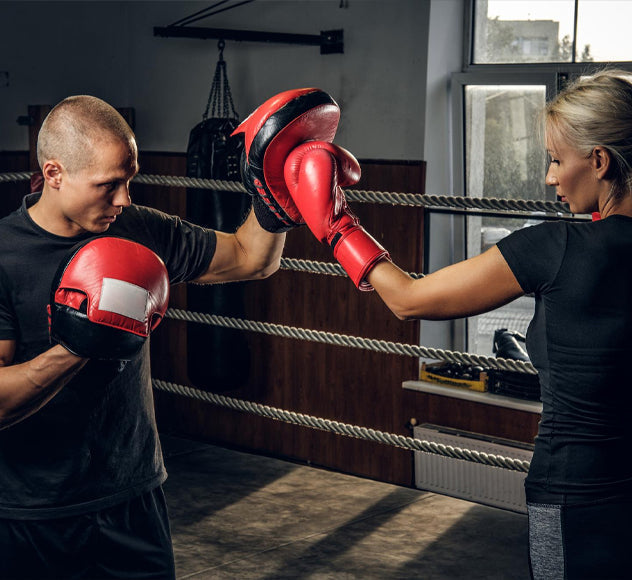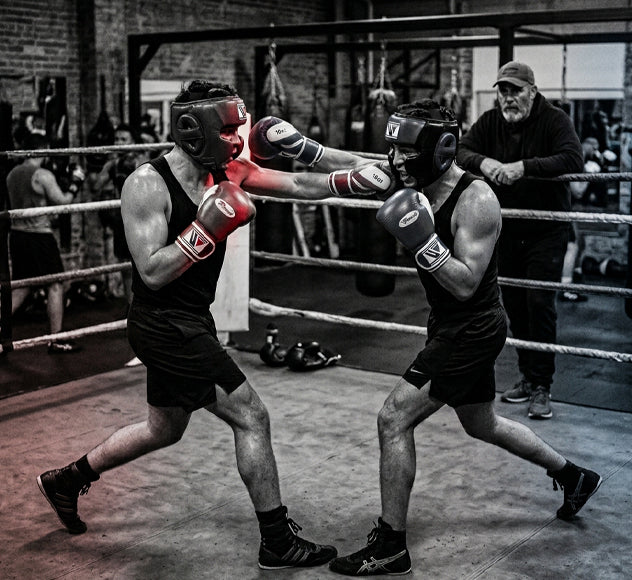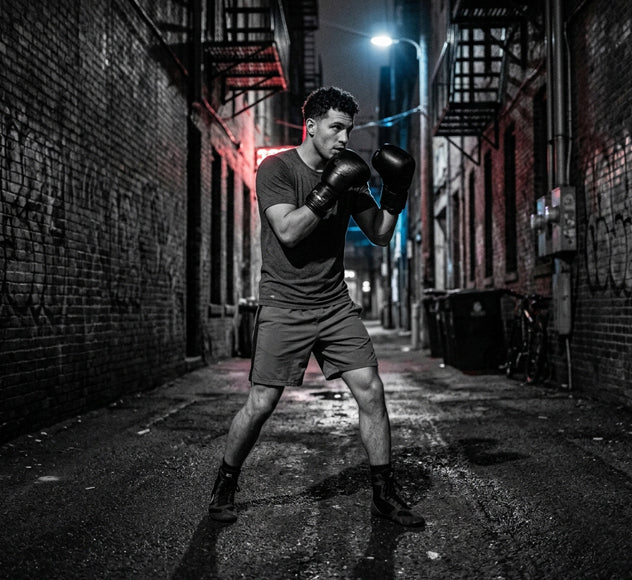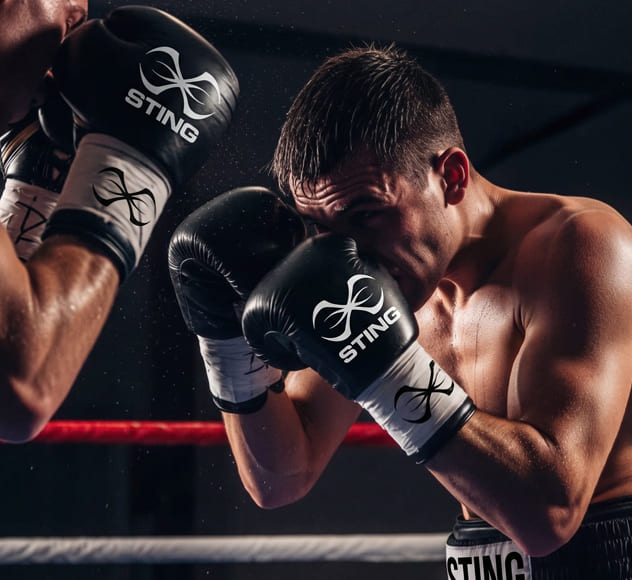
Beginner kickboxing class practicing punches and kicks.

Kickboxing for Beginners: The Complete Guide to Getting Started

Learn kickboxing for beginners with this complete guide. Discover expert training tips, basic techniques, benefits, and essential gear to start safely today.

Does Boxing Build Muscle? The Complete 2026 Guide Reading Kickboxing for Beginners: The Complete Guide to Getting Started 8 minutes Next Boxing Clothes: What to Wear for Boxing

Getting started in a new martial art is an exciting way to challenge your body and sharpen your mind. Whether you want to lose weight, gain confidence, or learn self-defense, stepping onto the mats is a life-changing decision. Kickboxing for beginners offers a structured environment where you can build strength at your own pace while learning a practical and powerful skill set.

At Sting Sports, we believe that the right foundation is the key to longevity in the sport. By focusing on proper kickboxing training, you ensure that every strike is efficient and every movement is safe. This guide will walk you through everything you need to know to transition from a curious observer to a confident practitioner in the gym.

What Is Kickboxing?

Kickboxing is a full-contact martial art that utilizes elements of both kicking and boxing, drawing on a mixture of different fighting styles. In contrast to traditional boxing, where fighters are only allowed to use punches, kickboxing also allows fighters to use both hands and legs to strike or train. This combination creates a dynamic sport that improves agility, speed, and striking accuracy. While gloves are worn on the hands, kicks are practiced with bare feet, and the hands and feet are the only parts of the body that participants are allowed to fight with.

Kickboxing techniques include the following:

  • Jabs, crosses, hooks, and uppercuts

  • Roundhouse kicks and front kicks

  • Defensive footwork and movement

  • Combination strikes using punches and kicks

The History of Kickboxing

  • Origins: Kickboxing has a rich, multicultural history. It developed in the 1960s in Japan as a hybrid martial art.

  • Early Competition: The earliest records of competitive kickboxing date back to around the 16th century, when interest in Muay Thai as a sport began.

  • Modern Transformation: Muay Thai transformed into a modern sport around the 1920s when it incorporated elements from western boxing, such as a boxing ring, referees, and rounds/time limits.

  • Japanese Development: Kickboxing took on a separate development in East Asia in the form of Kyokushin Karate around the 1950s. This further evolved into Japanese kickboxing when it merged elements of Kyokushin with Muay Thai.

  • Modern Era: All modern kickboxing promotions today adopt rules developed during the K-1 golden era. Today, professional kickboxing competitions, fitness programs, and kickboxing training gyms exist all over the world.

Kickboxing vs Boxing vs Muay Thai

Many beginners often compare kickboxing with other combat sports such as boxing and Muay Thai. While these disciplines share similarities, they have important differences.

Feature

Kickboxing

Boxing

Muay Thai

Main Strikes

Punches and kicks

Punches only

Kicks, punches, elbows, knees

Clinch Fighting

Limited

Not allowed

Very important

Training Focus

Striking combinations and fitness

Punching technique and defense

Powerful strikes and close combat

Difficulty for Beginners

Beginner friendly

Moderate

Physically demanding

What are the Rules of Kickboxing?

To ensure safety and fair play, every session of kickboxing training follows a specific set of rules. While professional matches have complex scoring systems, beginner kickboxing focuses on these core regulations to keep everyone on the mats safe.

  • Legal Striking Zones: You can strike the front and sides of the head and the torso. Most styles also allow kicks to the inner and outer thighs.

  • No Striking the Back: Hitting the spine or the back of the head is strictly prohibited in all kickboxing techniques.

  • No "Below the Belt": Strikes to the groin are illegal and will result in immediate warnings or disqualification.

  • The Stand-Up Rule: Unlike Mixed Martial Arts (MMA), there is no ground fighting. If a practitioner falls, the action stops until they are back on their feet.

  • Limited Clinching: In standard kickboxing, you cannot hold your opponent for an extended period to strike. You must "break" and return to a striking distance quickly.

Understanding these rules early on helps you train with discipline. It also ensures that when you join beginner kickboxing classes, you are a respectful and safe partner for your teammates.

How to Get Into Kickboxing: A Step-by-Step Guide

Kickboxing for beginners does not require previous martial arts experience. Following a few basic steps can help new athletes begin safely and confidently.

1. Find Beginner Kickboxing Classes

Look for a training institute that offers beginner kickboxing classes to get proper foundational instruction.

2. Gear Up

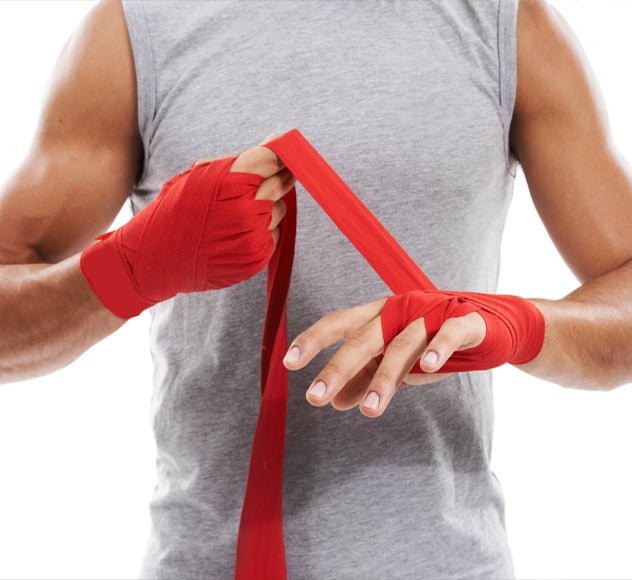
Comfortable attire and water are enough for day one. Most sessions involving kickboxing for beginners will provide gloves or pads, but if you are training regularly, invest in your own pair of gloves and hand wraps.

3. Learn Basic Techniques 

Before jumping into full workouts, focus on basic kickboxing techniques, such as punches, kicks, and defensive movement.

4. Build Fitness and Conditioning

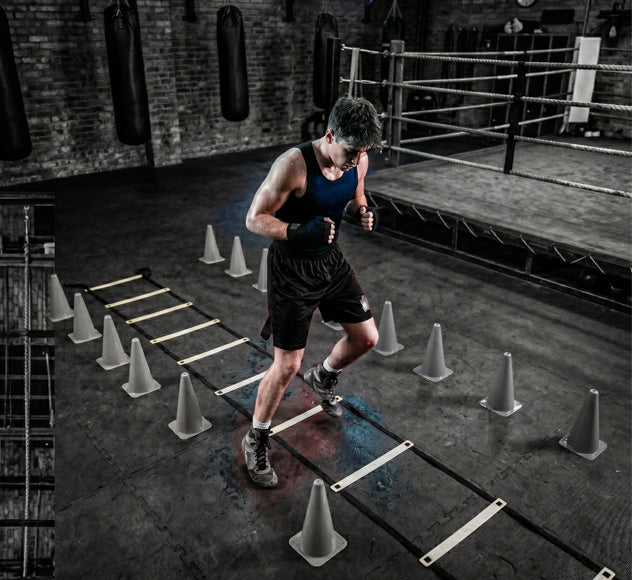
Kickboxing involves intense cardio and strength training. Beginners should gradually build stamina through regular practice.

5. Master the Jab and Cross

Start with basic boxing combinations to get comfortable with hand-eye coordination.

6. Learn Basic Kicks 

Begin with the front kick and the low roundhouse kick to build hip flexibility.

7. Practice Defensive Drills 

Just like the defensive strategies in boxing, learning to block is just as vital as learning to strike

What are the Benefits of Kickboxing For Beginners?

One reason kickboxing training is so popular is the wide range of physical and mental benefits it offers.

  • Full Body Fitness: Kickboxing workouts engage the arms, legs, and core muscles, making it a highly effective full-body workout.

  • Improved Cardiovascular Health: High-intensity training improves stamina and strengthens the heart.

  • Stress Relief: Kickboxing and other forms of physical sports improve mental health and emotional well-being. Kickboxing training involves aerobic and anaerobic exercise, both of which release tension and improve mental focus.

  • Confidence and Self-Esteem: Exercise and martial arts have been linked to improved confidence and self-esteem. Practicing martial arts improves self-confidence and self-esteem in youths. 

  • Better Coordination and Balance: Training combinations of punches and kicks helps improve body control and coordination.

  • Weight Loss: Kickboxing for beginners provides an aerobic workout that burns calories and can help you lose weight.

  • Improved Sleep: Physical activity improves sleep, including in people with sleep disorders. Regular exercise has a positive effect on sleep quality and duration.

What Are The Essential Kickboxing Gears?

Kickboxing is fast, powerful, and high-impact, and to stay safe during your kickboxing training, you need professional-grade equipment.

Essential kickboxing gear includes:

  • Boxing gloves: Kickboxing gloves absorb impact and protect both your hands and the striking surface.

  • Hand wraps: Hand wraps stabilize your wrists, protect your knuckles, and prevent injury under your gloves.

  • Shin Guards: This gear protects your legs and gives you confidence to throw full-power strikes when practicing kicks with partners.

  • Mouthguard: A mouthguard not only protects your teeth but also cushions the impact on your jaw, reducing the risk of concussions and fractures.

High-quality protective gear makes training sessions for kickboxing for beginners safer and more efficient.

Conclusion

Kickboxing for beginners can be a great way for you to improve your overall mental and physical health, build self-confidence, and learn valuable self-defense skills at the same time. However, to master kickboxing, it is important to take things slowly and focus more on learning the proper technique and using the right gear to avoid injury and ensure progress.

At Sting Sports, we are committed to providing you with the professional-grade equipment and knowledge you need to excel. From your first jab to your first sparring session, we are here to support your growth in the gym and beyond.

FAQs

Q1. What is kickboxing?

Kickboxing is a combat sport that involves punching, kicking, and footwork. The sport incorporates moves from other types of martial arts, such as karate, as well as boxing.

Q2. Is kickboxing suitable for beginners?

Yes, kickboxing is a suitable sport for beginners, but like most martial arts, it will require a fair amount of dedication to progress. Taking beginner kickboxing classes will help you learn basic techniques and safe training practices.

Q3. What equipment is needed for kickboxing training?

Essential kickboxing equipment includes versatile boxing gloves, hand wraps, comfortable training clothes, and sometimes shin guards and a mouth guard.

Q4. What are the benefits of kickboxing for beginners?

Kickboxing has numerous physical and psychological advantages, such as improving cardiovascular health, boosting strength and confidence, reducing stress, and enhancing focus and coordination.

Q5. What should I expect in my first session of kickboxing for beginners? 

Most beginner kickboxing classes start with a warm-up, followed by shadowboxing to learn kickboxing techniques. You will then move to pad work or heavy bag drills to practice power and coordination.