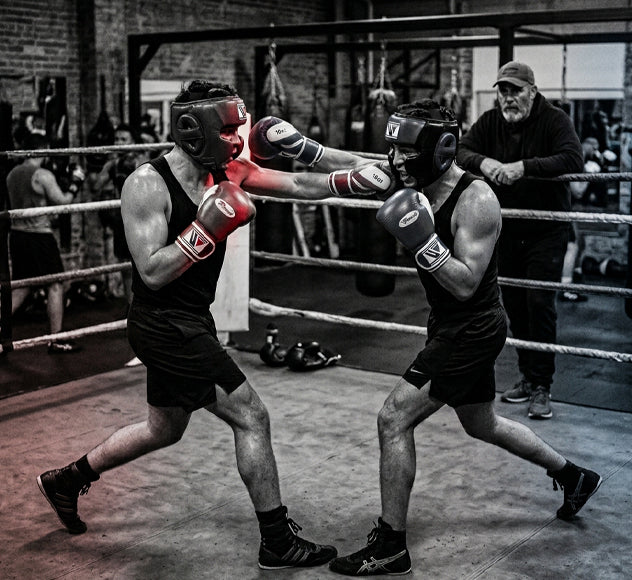

Most people in a physical confrontation have never thrown a proper punch. The average street altercation involves wild swings, no footwork, and zero technique. A trained boxer, even at a beginner level, operates in a completely different category.
Boxing for self-defense gives you distance management, composure under pressure, and the ability to end a confrontation quickly when walking away is not an option. Sting Sport is committed to helping fighters and everyday people train with the right knowledge and equipment behind them.
Is Boxing Effective in a Street Fight
Yes, with conditions. Whether boxing is effective in a street fight depends almost entirely on context. Against an untrained attacker in a standing confrontation, a trained boxer holds a significant and measurable advantage.
The skills that make boxing effective in this scenario are composure under adrenaline, proper striking mechanics, and the ability to read an opponent before they act. Most street altercations are resolved in the first few seconds. Those specific skills are exactly what matter in that window.
What Changes Outside the Ring
The ring provides even footing, one opponent, gloves, and a referee. None of those exist outside it. A technique that works cleanly on canvas needs adjustment on uneven pavement.
|
Ring |
Street |
|
Even a predictable surface |
Uneven ground, obstacles |
|
One opponent, no weapons |
Possible weapons, multiple people |
|
Gloves protect hands |
Bare knuckles fracture easily |
|
The referee stops the danger |
No rules, no intervention |
|
Clear start to exchange |
Attack arrives without warning |
These differences do not cancel boxing out. They require a trained person to think differently about how and when those skills apply.
Boxing Techniques That Work When It Matters
Some techniques cross over directly. Others need significant adjustment before they are useful outside the gym.
Techniques That Cross Over Well
-
The Jab controls distance, disrupts an attacker's movement, and sets up harder follow-up strikes
-
The Cross delivers stopping power through natural weight transfer and is the most reliably effective single strike in a real situation
-
The High Guard handles wild looping swings from untrained attackers better than any other defensive position
Techniques That Need Adjustment
Wide hooks and uppercuts leave the hands extended longer than ideal when there is no warning before the next strike arrives. Head movement on unpredictable surfaces carries more risk than on a flat canvas, where balance is reliable.
Self-Defense Boxing Tips Worth Knowing
Awareness before physicality. Reading body language and identifying escalating situations early keeps most trained people out of trouble without throwing a single punch. Knowing the defensive strategies relevant to real situations is what separates a complete self-defense mindset from ring sport preparation alone.
When a situation does escalate unavoidably, strike with committed precision and create distance immediately. The goal is never to win a fight. It is to survive and leave. Targeting the nose, chin, and solar plexus also reduces hand injury risk compared to striking the top of the skull with bare knuckles.
Boxing vs Street Fighting: What You Need to Understand
Boxing vs street fighting comes down to one word: chaos. Street confrontations have no rounds, no rules, and no warning. A boxer conditioned to perform under elevated heart rate and genuine fear carries a psychological advantage that matters as much as any physical technique.
The most significant gap is the ground. Boxing does not prepare a person for what happens if the confrontation moves to the floor. Supplementing boxing with basic wrestling or judo closes that gap for anyone training with genuine self-defense as their primary goal.
How Boxing Compares to Other Martial Arts
The best martial arts for self-defense is a debate that never fully settles. Every discipline has genuine strengths and genuine gaps in real situations.
|
Martial Art |
Strengths |
Gaps |
|
Boxing |
Striking precision, distance, and composure |
No ground, no kicks |
|
Muay Thai |
Adds elbows, knees, leg kicks |
Less footwork specificity |
|
Brazilian Jiu-Jitsu |
Dominant in ground situations |
Vulnerable to multiple attackers |
|
Wrestling |
Strong takedown and control |
Limited striking |
|
MMA |
Most complete preparation |
Longer training commitment |
Boxing sits near the top for most realistic scenarios because most confrontations are standing, involve untrained opponents, and end quickly. Pairing it with basic grappling covers the widest range of situations a person is likely to actually face.
Training Boxing With Self-Defense in Mind
Training for the ring and training for the street are related but not the same. A few adjustments make a significant difference in how well gym skills translate to real situations.
Stress and Pressure Drills
Practising technique under fatigue and elevated heart rate prepares the nervous system for the adrenaline of a real confrontation. Sprints followed immediately by pad work teach the body to execute clean strikes even when composure is under genuine pressure.
Awareness and Angle Drills
Practising responses to attacks from unexpected angles, from behind, from the side, and from close non-guard distance, builds reflexive responses that matter when there is no warning. Real confrontations do not begin with two people squaring off at boxing distance.
The Gear Behind Serious Training
Training at the intensity genuine self-defense preparation requires is only possible with equipment that handles consistent, heavy use without breaking down.
Quality boxing gloves allow striking to be trained at real intensity, session after session. Hand wraps support the wrist and small hand bones through bag work, pad work, and sparring, protecting the joints that take the most cumulative load over time. Proper protective gear, including headgear and a mouthguard, makes sparring, the closest training equivalent to a real confrontation, safe enough to do consistently. Every piece of boxing equipment used in self-defense preparation directly determines how hard and how often that training can happen without injury interrupting progress.
Sting Sport provides professional-grade equipment built for serious training at every level, from beginners building foundations to experienced fighters developing applicable skills.
Conclusion
Boxing for self-defense is one of the most practical skills available to anyone who wants genuine preparation for a real confrontation. It builds striking precision, composure under pressure, and the ability to read and respond before a situation escalates beyond control.
Sting Sport provides professional-grade boxing gloves, hand wraps, protective gear, and complete boxing equipment that make serious preparation both safe and sustainable. Every product is built for fighters who train with real purpose.
FAQs
Is boxing effective in a street fight against an untrained attacker?
Yes. Boxing for self-defense gives a trained person a clear advantage in a standing confrontation. Precision, distance control, and composure consistently outperform wild aggression from an untrained attacker.
Which boxing techniques work best in a self-defense situation?
The jab, the cross, and a solid high guard are the most directly applicable techniques. Straight punches consistently outperform wide swings and carry the least risk of hand injury without gloves.
What are the main gaps in boxing vs street fighting preparation?
The primary gaps in boxing vs street fighting are the lack of ground fighting preparation and the difference between gloved and bare-knuckle striking. Understanding these gaps is part of being genuinely ready.
Is boxing the best martial art for self-defense?
Boxing is among the best martial arts for self-defense in most standing confrontation scenarios. Pairing it with basic grappling provides the most complete preparation for a wider range of situations.
What self-defense boxing tips matter most in a real situation?
Prioritise awareness and de-escalation first. If physical response becomes unavoidable, strike with precision and create distance immediately. Every skill should point toward one outcome: getting away safely.