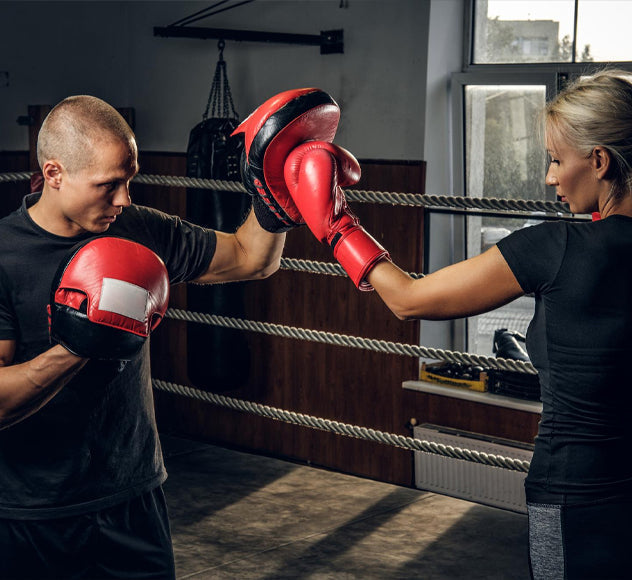

Getting into boxing requires the acquisition of new skills and fitness, along with acquiring proper equipment. While there is a lot of equipment that you need to acquire, one of the most important is your gloves.
Beginners often overlook the importance of choosing a glove with proper design. Faulty designs may cause issues like wrist problems, sore knuckles, and blisters; but don't despair as selecting suitable gloves shouldn't be difficult once you know what you want!
This guide is aimed at briefing you about what your boxing gloves do, how you should select their type and weight, along with our favorite gloves in 2025.
What Boxing Gloves Are For
Boxing gloves provide protection for every punch thrown, protecting hands, knuckles and wrists while dissipating force more evenly so as not to injure a sparring partner or opponent.
For a beginner, this protection matters even more. Your hands haven't adapted to repeated impact yet, and the wrong gloves can turn an exciting first few weeks of training into a string of nagging injuries.
Types of Boxing Gloves
Different training styles call for different gloves. Here's a quick breakdown for anyone just starting.
Training Gloves
Training gloves are the most versatile option and a smart first purchase. They work for bag work and light sparring, which makes them ideal if you're not yet sure where your training will focus.
Bag Gloves
Bag gloves carry extra padding built for the repeated impact of heavy bags, speed bags, and pads. If your main goal right now is building power and technique on the bag, these are worth the investment.
Sparring Gloves
Sparring gloves are larger and more heavily padded, since their job is protecting both you and your partner during live training.
Competition Gloves
Competition gloves are lighter and more compact for speed. Beginners won't need these right away. They come into play once you've built up skill and are ready to step into the ring.
Glove Weight: What Beginners Should Know
Gloves are measured in ounces, and weight affects both protection and how your hands move.
-
8 oz to 10 oz: Lightweight, built for competition. Not enough padding for beginners.
-
12 oz to 14 oz: The standard starting point. Good balance of protection and mobility for general training.
-
16 oz: Maximum cushioning, typically used for sparring.
A few things that affect the right weight for you:
-
Your body weight: Under 120 lbs often works well with 12 oz. Over 150 lbs often calls for 14 oz to 16 oz.
-
Your training focus: Sparring calls for heavier gloves. Bag work can get by with something lighter.
-
How it feels on your hand: Try a few sizes. Gloves should feel snug without cutting off movement.
Leather vs. Synthetic: Choosing Your Material
Leather Gloves
Leather stretches into the shape of your hand with continued use, thus lasting longer, which is why dedicated boxers prefer leather gloves. It also breathes well, although it is expensive.
Synthetic Gloves
Synthetic gloves are an economical way into boxing training and will serve the purpose well. They may not be as durable as leather but are suitable until you make your decision about how serious you are about the sport.
Fit and Closure
The best gloves do not help you if they are of the wrong size and weight. Gloves that are too tight make you feel uncomfortable, and gloves that are too loose do not absorb impact.
Velcro vs. Laces
Velcro gloves are easy to put on and take off, and therefore these make the most logical choice for novices. Lace-up gloves offer a snugger fit but require assistance to put them on because of the laces. Velcro gloves are what most beginners opt for due to their ease of use.
Hand Wraps
Hand wraps ensure proper support for your wrists and knuckles under the gloves. Using hand wraps right from your first training session decreases your chances of getting injured and allows you to gauge the fit of your gloves.
Top Picks for 2025
Here's where to start if you want a straightforward, no-guesswork option.
-
Best all-round starter pair: A 14 oz training glove for anyone doing a mix of bag work and light sparring. Shop training gloves.
-
Best for bag work: A padded bag glove built to handle repeated impact without breaking down early. Shop bag gloves.
-
Best for sparring sessions: A 16 oz sparring glove for anyone training with a partner regularly. Shop sparring gloves.
-
Best budget option: A synthetic training glove that keeps costs down while you figure out your commitment to the sport.
Budget Considerations
It does not matter how much you pay for your initial pair, but quality should be taken into account. Gloves made of artificial material cost about $30 to $60. Gloves made of leather are more durable and cost $80 to $150.
Final Thoughts
Finding the ideal pair of boxing gloves is integral to setting an enjoyable training environment. Before selecting boxing equipment or gear for training purposes, take some time to carefully consider their weight, material composition and fit. Explore our full range of boxing gloves and boxing equipment to find the right pair for your training.
Explore our full range of boxing gloves and boxing equipment to find the right pair for your training.
FAQs
What size boxing gloves should a beginner get?
Beginners usually do well with 12-14 oz gloves for general training purposes, while those looking to spar can increase the padding by going with 16oz gloves.
Are Velcro or lace-up gloves better for beginners?
Velcro gloves provide an easy option for beginners as you can put and take off them yourself, while lace-up gloves tighter fits require someone else to tie them for you.
Do I need different gloves for bag work and sparring?
Not right away. You need a training glove for both at the initial stage. After frequent practice, you will be able to use different gloves for different purposes, as they are specifically padded to suit a particular purpose.
Should beginners choose leather or synthetic gloves?
Synthetic gloves are quite affordable and appropriate for beginners. On the other hand, leather gloves are expensive but durable and can shape to the wearer's hand with time.
Do I need hand wraps if I already have padded gloves?
Yes. Hand wraps help your wrists and knuckles under the glove and reduce your risk of getting hurt. They should be worn from your very first training session.