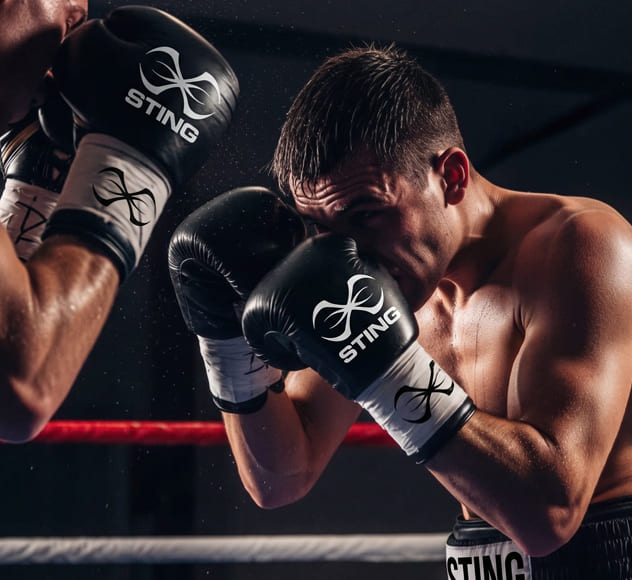

“Strong wrists don’t just occur, but rather they are made.” All boxers, whether beginners or even professionals, have at some point experienced the agony of having a sprained or rolled wrist during a fight. The wrists are the last point of contact between your arms and your punches, and if they aren’t strong enough, it can ruin your entire form. Developing techniques for strengthening your wrists is something every boxer should be familiar with, but it’s one of the least talked about. According to research conducted in 2025, wrist injuries make up almost 18% of all boxing injuries, most of which could’ve been avoided.
Why Wrist Strength Matters in Boxing
Weak wrists collapse under impact. In punching, the force hits the wrist, for instance, when using the heavy bag. Wrist strength helps maintain alignment within the joint, transfers energy effectively from the shoulder through to the knuckle, and lessens your chances of injuring the wrist.
Apart from injury prevention, wrist strength increases the speed and power of your punch. Boxers with well-developed forearms and wrists have quicker punches. In a study published in 2025 in the Journal of Combat Sports Science, grip and wrist endurance were rated among the top three physiological indicators of punch power in amateur boxing. If you are serious about improving your game, read our guide on how to start boxing to build a solid foundation from day one.
How to Strengthen Your Wrists: Top Exercises
The first step in learning how to build strong wrists is knowing what exercises you need. Some of the most popular exercises to build strong wrists in boxers during the year 2026 are listed below:
1. Wrist Curls and Reverse Wrist Curls
Take a seat on a bench with a light dumbbell (2 to 5 kilograms). Place your forearm on your thigh, and curl your wrist upward. Repeat the process three times at fifteen to twenty repetitions per hand. Also, do reverse curls while having your palms face downward to engage all extensors of your wrist equally.
2. Rice Bucket Exercise
This is one of the best traditional exercises used by boxers. Put both your hands into a rice bucket and move your fingers around in circles while squeezing and opening them for three to five minutes. The rice bucket exercise will help develop deeper wrist stabilizers not available through other gym exercises.
3. Farmer's Carries
Pick up two heavy dumbbells or kettlebells and walk for 30 to 40 metres. This builds grip endurance and wrist stability under load. Include this 2 to 3 times per week for fast results.
4. Push-Up Variations
Knuckle push-ups and fingertip push-ups train the wrist in a weight-bearing position, closely mimicking the stress of throwing punches. Start on your knees if needed and build up gradually.
5. Towel Pull-Ups
Place two towels over a pull-up bar and use them as handles for your pull-ups. In this way, you'll work on stabilizing the wrists and forearms at all times during the pull-up process.
6. Stress Ball or Hand Grip Trainer
Squeezing a grip trainer or stress ball during rest periods or while watching film is an easy way to rack up extra wrist and grip volume throughout the day.
Boxing also works your full body, and stronger wrists amplify those benefits. Check out does boxing build muscle to understand how your training connects from wrist to whole-body conditioning.
How to Wrap Your Wrists the Right Way
No matter how developed your wrists become, correct wrapping will always be mandatory before any workout. Wraps squeeze your bones and joints inside your hands, protect your wrist from injury when hit, and give additional safety that gloves cannot provide by themselves.
Here’s how to wrap properly:
-
Start with the circle around your thumb.
-
Wrap your wrist 3 times for more stability.
-
Wrap around the back side of your hand and your knuckles 3 times.
-
Figure eight through your fingers while wrapping your knuckles 3 times.
-
Do it as tightly as possible without restricting blood flow.
-
Boxers who train in 2026 prefer to use cotton wraps of 180 inches.
For your full gear checklist, visit the boxing clothes and training guide to make sure you are geared up properly from head to hand.
An external resource worth checking is the American Orthopaedic Society for Sports Medicine, which provides updated guidelines on wrist injury prevention for combat athletes.
Common Wrist Mistakes Boxers Make
Even professional boxers may not know how to use their wrists correctly. Here are some of the common mistakes to watch out for:
Bending your wrist when throwing punches. The wrist should be locked during contact. Bending your wrist when striking a punching bag will likely result in a sprained wrist almost instantly.
Not warming up your wrist. Wrist rotations, wrist curls, and stretches before exercising can prepare the wrist for the impacts.
Wearing oversized gloves early on. Many beginners tend to choose gloves weighing 16 ounces without first preparing their wrists.
Neglecting the weaknesses of your rear hand. It is typical for many boxers to be weak on one side of their body, especially with the rear hand.
If you train in kickboxing alongside boxing, your wrists face similar stress there too. Our kickboxing for beginners guide covers how to approach training safely across both disciplines.
How Often Should You Train Your Wrists?
Wrist strengthening doesn’t need to take up an entire training session. Make room for wrist exercises three to four days each week, but leave the work for your wrists toward the end of the workout in order to not to have fatigued muscles during the technical training with your pads or the heavy bag.
Weekly plan outline:
-
Monday/Wednesday/Friday: Wrist curls, rice bucket, grip trainer
-
Tuesday/Thursday: Knuckle push-ups, farmer’s carry, towel pull-ups
-
Rest/Sunday: Light stretching
Increase the workload slowly. Add more resistance and weight every two to three weeks. With consistent training over six to eight weeks, there will be noticeable results.
Conclusion
Your wrists carry every punch you throw. Neglecting them is like building a car with weak axles; the rest of the machine cannot perform at its best. By following the exercises, wrapping correctly, and avoiding common mistakes covered in this guide, you now know exactly how to strengthen your wrists for boxing in 2026.
Just pick two or three exercises this week and work up from there. For premium hand wraps, gloves, and boxing gear designed to support wrist health at every level, visit Sting Sports Canada and find the right equipment for your training.
FAQs
Q1. How to strengthen your wrists for boxing as a beginner?
Start with light wrist curls, rice bucket training, and knuckle push-ups three times a week. Always protect your wrists by wrapping them before using any bag-and-pad training. Gradual progression will ensure you do not overload an untrained tendon.
Q2. How long does it take to see results when learning how to strengthen wrists?
Most boxers notice improved stability and reduced soreness within 4 to 6 weeks of consistent wrist training. Full functional strength gains typically appear between 8 and 12 weeks.
Q3. Can I learn how to strengthen my wrists without weights?
Yes. Exercises like rice bucket training, knuckle push-ups, towel pull-ups, and wrist grippers provide the best strengthening workout for your wrists without using weights.
Q4. Should I train my wrists if I already have wrist pain?
A physiotherapist will help diagnose the problem with your wrists. It is advisable to seek a professional opinion before continuing to train despite the pain, as sharp pain during or after training may signify a strain or injury.
Q5. How often should I do wrist exercises for boxing?
Training your wrists 3 to 4 times per week is ideal. Keep sessions short (10 to 15 minutes) and place wrist work at the end of your training to avoid fatiguing the joint before technical boxing drills.