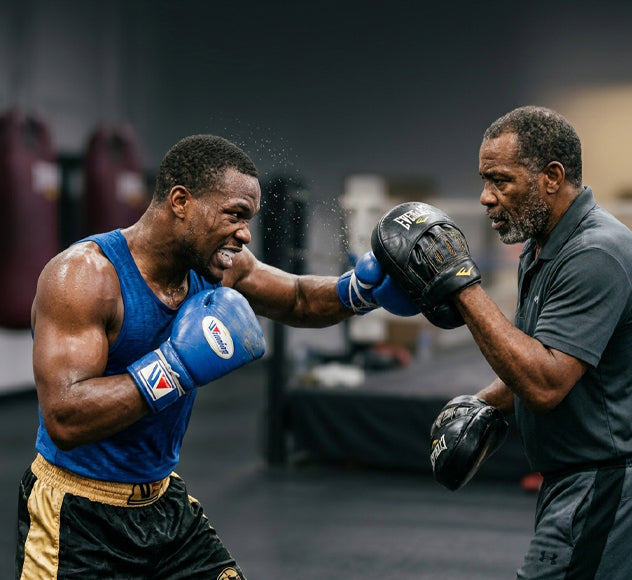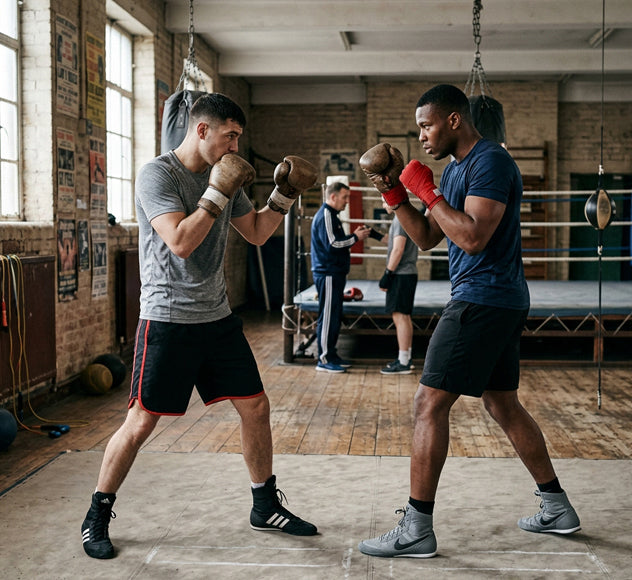

A boxer can throw hundreds of punches in a fight, but the punches that matter most are often the ones that never land. Head Movement in Boxing is one of the most effective defensive skills for reducing damage, creating counterattacking opportunities, and staying in control under pressure. Fighters who rely only on their guard often absorb unnecessary shots, whilst those who develop strong defensive movement make opponents miss and create openings of their own.
Whether you are stepping into the gym for the first time or refining your skills for competition, Head Movement in Boxing can have a major impact on your performance. Learning how to slip, roll, weave, and reposition your head correctly helps improve defense, conserve energy, and keep you in better positions to attack throughout a round.
What Is Head Movement in Boxing?
Head movement means shifting your head off the center line to make incoming punches miss without stepping back or covering up. It covers slipping, bobbing, weaving, rolling, and pulling back.
Unlike blocking with your arms, good head movement keeps both hands free to fire back. This is what makes it one of the most valuable tools in defensive boxing.
Why Head Movement in Boxing Matters for Your Defense
Every punch your opponent throws and misses costs them energy and balance. Slipping punches forces that waste to happen on every exchange, round after round.
Clean misses also frustrate aggressive fighters and pull them out of their game plan. Defensive boxing, built on movement, wins fights on the scorecards even when the punch count is lower.
Why Defensive Boxing Wins Fights
A boxer who makes opponents miss consistently controls the pace. That control lets the defensive fighter slow things down or speed them up based on what suits them in that moment.
Judges reward ring generalship, and a boxer who moves smartly and counters cleanly earns those points without trading shots at equal risk.
When to Use Head Movement in Boxing During a Fight
The right time to slip is before the punch arrives, not during it. Reading your opponent's shoulder drop, elbow flare, or weight shift gives you the split-second advantage you need.
Use head movement when your opponent loads up on power shots, when you get trapped on the ropes, or when you want to set the timing for a sharp counter combination.
When Slipping Punches Becomes Automatic
Slipping punches only becomes a reflex through hundreds of repetitions. Shadow boxing, slip bags, and slow partner work all build that automatic response over time.
Start every drill at a slow speed and build correct posture first. Adding speed to poor technique only makes the poor technique harder to correct later.
How to Slip Punches Like a Pro
Set your feet in your boxing stance with your weight centered. As a straight punch comes toward you, rotate your torso and move your head to the outside of the punch line.
Keep your chin tucked and your eyes locked on your opponent throughout the slip. Dropping your gaze to the floor even briefly leaves you open to the follow-up shot.
How to Drill the Slip Correctly
-
Shadow box for two-minute rounds and slip every imaginary straight punch thrown at you
-
Set a slip rope at head height and walk under it while holding your boxing stance throughout
-
Have a partner throw slow jabs at half speed while you practice slipping to the outside consistently
-
Add speed only after your rotation and posture feel clean and repeatable across every rep
How to Bob and Weave Correctly
The bob and weave takes your head in a U-shape under an incoming hook. Bend your knees to drop your level, shift your weight to one side, and rise on the opposite side of the punch.
Keep your spine upright during the dip rather than bending at the waist. A straight back protects you and puts you in position to throw a counter body shot on the way up.
How to Build the Bob and Weave Habit
-
Stand in front of a mirror and drill the U-shape movement until it feels smooth at a slow speed
-
Tie a rope at shoulder height across two posts and bob under it continuously for timed rounds
-
Add a counter left hook or right uppercut on the way up to connect defense with attack
-
Focus on pushing off the floor with your legs rather than just dipping your head down
What Gear Do You Need to Train Defense Safely
Drilling head movement at full speed with a live partner means taking real shots when the timing is off. A good pair of Headgears absorbs that impact across the cheekbones, forehead, and temples while keeping your vision clear so your defensive reads stay sharp.
When you practice slipping and firing counter body shots, your partner needs a Body protector to absorb those counters safely. This protection lets both fighters push the intensity of every drill without pulling back.
Why the Right Kit Makes Every Session Count
Repetitive counter drilling puts a heavy load on your hands across every session. Hand wraps protect the small bones across your knuckles and keep your wrists stable so that the load does not build into an injury that costs you training weeks.
Every slip, pivot, and weight transfer in boxing starts from the floor. Boxing shoes give you the ankle support and canvas grip needed to push off cleanly and recover your position fast after each defensive move. Sting Sport stocks headgear, body protectors, hand wraps, and boxing shoes built for serious training at every level.
How Footwork and Sparring Sharpen Your Head Movement
Your head can only move as well as your feet allow. Boxing footwork drills build the balance and weight transfer that make every slip and weave faster and more precise.
Running boxing footwork drills alongside your head movement sessions connects both skills so they work together automatically when sparring pressure arrives.
-
Lateral shuffle: move side to side along a line for 30-second bursts, staying light on the balls of your feet
-
Pivot off the jab: throw your lead jab, then pivot 45 degrees to change your angle and reset your position
-
Retreat and slip: push back off your rear foot to create distance, then slip the follow-up punch cleanly
-
Cut the angle: circle your opponent and step diagonally inward while slipping to take the inside position
How Sparring Tests Your Defensive Progress
Sparring puts your head movement under real pressure for the first time. Following smart Boxing sparring tips turns every round into a focused defensive lesson rather than a survival exercise.
Apply these Boxing Sparring Tips to get the most from every session:
-
Pick one defensive skill to focus on per round and communicate your plan to your partner before the bell
-
Choose a partner slightly ahead of you in skill, so you face problems your current defense cannot solve yet
-
Ask your partner to throw only jabs in round one so you can isolate and repeat your slip response
-
Film your rounds from the side and review the footage to find moments your head stops moving under pressure
-
End every session with five minutes of slow shadow boxing and repeat the movements that gave you trouble
Head Movement Techniques at a Glance
|
Technique |
Movement |
Best Used Against |
Common Mistake |
|
Slip Outside |
Rotate torso, head moves outside the punch |
Straight jab or cross |
Looking down at the floor |
|
Slip Inside |
Head moves to the inside of the punch line |
Southpaw jab or cross |
Leaning too far forward |
|
Bob and Weave |
U-shape dip under an incoming hook |
Left or right hooks |
Rounding the back during the dip |
|
Pull Back |
Shift weight to the rear foot and lean away |
Looping overhands |
Not returning to the stance after pulling |
|
Shoulder Roll |
Raise your lead shoulder to deflect the punch |
Lead jab at close range |
Dropping the rear hand during the roll |
Conclusion
Strong head movement in boxing builds through consistent drilling, smart sparring, and the right protective gear supporting every session. This guide covered how to slip, bob, and weave correctly, when to apply each technique in a real fight, and how footwork and gear tie the whole defensive system together.
Start with one technique, drill it until it becomes automatic, then layer the next one in. Defense built this way stays sharp under pressure where it matters most.
Visit Sting Sport to find the full range of boxing gear that supports every stage of your defensive training.
FAQs
What is the most important head movement skill for beginners?
The outside slip is the best place to start. It teaches weight shifting and torso rotation without the coordination demands of the bob and weave, and it works directly against the jab most fighters throw most often.
How often should I drill head movement?
Three focused sessions per week build the reflex steadily. Even ten minutes of dedicated slipping and rolling added to the end of your regular workout compounds faster than one long session per week.
Can head movement in boxing be trained without a sparring partner?
Yes. Head movement in boxing develops well through solo work on the slip rope, double-end bag, and mirror shadow boxing. A partner accelerates progress, but a strong foundation builds without one.
Does footwork really affect defensive boxing?
Poor footwork puts you in positions where head movement alone cannot protect you. Defensive boxing works best when your feet keep you balanced and angled correctly before the punch even arrives.
What protective gear do I need before defensive sparring?
At minimum, you need a mouthguard, boxing gloves, hand wraps, a groin guard, and properly fitted headgear. A body protector for your training partner rounds out a setup that keeps both fighters safe throughout.