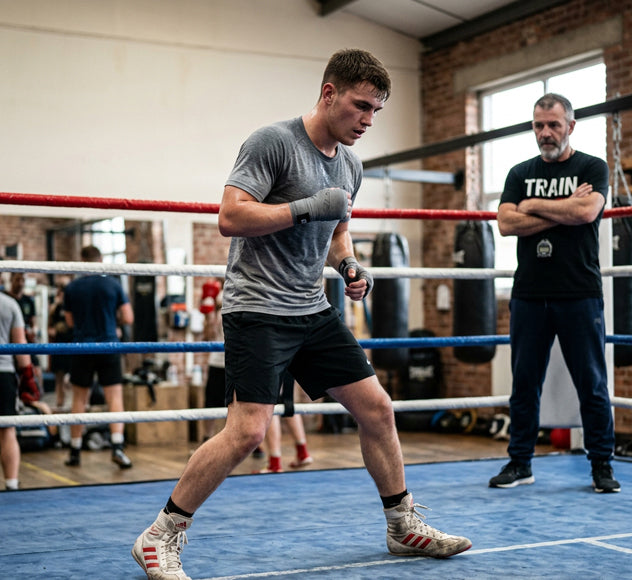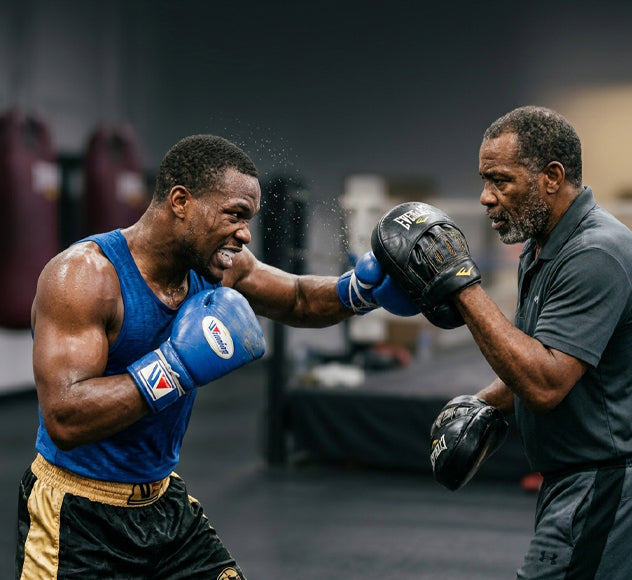

Every boxer eventually faces a moment where the body wants to stop, and the fight is still going. What carries you through that moment is not talent or power. It is boxing durability, the combination of physical conditioning, mental toughness, and defensive skill, that allows a fighter to perform under sustained pressure without breaking down. Boxing durability requires an elite combination of strength, speed, endurance, and mental toughness. A well-structured conditioning program is essential for building a powerful, resilient body capable of absorbing impact, moving explosively, and sustaining effort over multiple rounds. This guide covers every dimension of building genuine toughness in boxing, from cardiovascular conditioning and strength work to mental preparation and recovery habits that most fighters overlook.
What Is Boxing Durability?
Boxing durability is the capacity to maintain technique, power, and decision-making under physical and psychological stress across multiple rounds.
Durability comes from strong fundamentals such as posture, defense, footwork, and conditioning rather than simply standing still and taking shots. A durable fighter still relies on defensive movements. The goal is not to absorb punishment but to reduce the punishment you face through smart movement and positioning.
A truly durable boxer does not just survive pressure. They perform through it. Their combinations stay clean in the late rounds. Their footwork holds up when they are tired. Their decisions stay sharp when their body is telling them to panic.
Why Durability Matters More Than Power
Fights Are Won and Lost Late
Most fights are decided not in the first round but in the later ones. A fighter who gasses out in round four hands their opponent a significant advantage regardless of the skill gap. Boxing endurance is the difference between landing clean shots in round one and still landing them in round eight.
Fatigue Destroys Technique
Conditioning keeps you sharp in later rounds, boosts recovery between intense bursts, builds mental toughness and pain tolerance, increases punch output without fatigue, and makes footwork and defense more consistent throughout the full duration of a fight.
When fatigue sets in, guards drop, footwork flattens, and punches become arm-only affairs with no hip rotation behind them. Every technical gain made in the gym evaporates under poor conditioning.
Smart Training Builds Real Toughness
With a gradual increase in training intensity, you learn to stay relaxed under pressure. Boxing durability should complement your technique, not replace it.
How to Build Boxing Conditioning
Roadwork and Running
Running builds fight-specific endurance, lung capacity, recovery speed, and footwork, all critical for boxing. Fighters with elite cardio are often just as explosive in the final round as they were in the first. Mix steady-state runs of 30 to 45 minutes with interval sprints for a complete boxing conditioning base.
Run three to five times per week. Alternate long steady-state sessions with shorter sprint intervals that mirror the work-rest rhythm of boxing rounds.
Jump Rope
Jump rope is one of the most boxing-specific conditioning tools available. It builds calf endurance, footwork rhythm, timing, and cardiovascular capacity simultaneously. Ten to fifteen minutes of jump rope before every session raises your heart rate and prepares your feet for the movement demands ahead.
Circuit Training
Push-ups, planks, squats, and burpees build muscle stamina. Try Tabata intervals of 20 seconds work and 10 seconds rest for four minutes per exercise to build the kind of boxing conditioning that holds up under real fight pressure.
Boxing workout for weight loss circuits also doubles as an excellent boxing conditioning session. High-intensity combination work burns calories and builds the stamina needed for sustained output across multiple rounds.
How to Develop Boxing Endurance
Train Aerobically and Anaerobically
Boxing endurance is multi-layered conditioning. Elite boxers train cardiovascular endurance, muscular endurance, anaerobic capacity, and mental endurance. Your conditioning must mirror the intermittent, explosive nature of actual boxing rather than relying solely on long-distance running.
Train both systems every week of your program. Long runs build your aerobic base. Sprints, circuits, and bag rounds develop the anaerobic capacity that fuels explosive exchanges.
Shadow Boxing Endurance Sets
Long shadow boxing sets of three to five rounds at three minutes each, focusing on clean form and steady movement, build boxing endurance without the impact stress of bag or pad work. These sessions develop breathing control and movement efficiency simultaneously.
Focus on maintaining the quality of your technique throughout every round rather than simply completing the time. Letting technique slip during endurance sets bad habits under fatigue.
Heavy Bag Rounds
Punching bags are the most effective tool for building fight-specific boxing endurance. Work three-minute rounds with one-minute rest. Alternate power combination rounds with speed rounds, where volume is the priority. Finish each session with a one-minute burnout of continuous punches at maximum output.
How to Build Mental Toughness in Boxing
Understand What Mental Toughness Actually Is
Mental toughness in boxing is not about being fearless. It is about continuing to make good decisions and executing clean technique when your body is exhausted, and your mind is telling you to stop. It is the skill of staying composed when everything feels like it is falling apart.
Use Visualization
One of the best ways to build mental toughness and confidence is through visualization. Repeatedly imagining yourself performing under pressure, staying calm when hurt, and maintaining technique when tired trains the nervous system to respond differently when those moments arrive for real.
Spend five minutes before each session visualizing a difficult scenario and how you respond to it with calm, controlled technique. Over time, this practice changes how your mind actually responds under pressure.
Push Through Discomfort Deliberately
Every training session where you push past the point of wanting to stop is a deposit in your mental toughness account. The goal is not reckless training. It is deliberately choosing to continue when comfort says quit. That habit of mind is what shows up in the ring when it matters most.
Test It in Sparring
Boxing sparring is where mental toughness gets genuinely tested. The ability to stay calm, make decisions, and maintain composure under live pressure from a real opponent is something no amount of bag or pad work can fully replicate. Consistent sparring exposure builds the composure that defines truly tough fighters.
Defensive Skills That Reduce Damage
Defense Is Part of Durability
When your defense improves, your need for raw durability decreases. Controlled contact, proper guard structure, and core stability help you handle pressure while keeping your body safe. A durable fighter still relies on defensive movements rather than simply absorbing punishment.
Slipping, rolling, parrying, and controlling distance all reduce the number of clean shots you absorb across a fight. Every punch you make your opponent miss is damage your body does not have to absorb or recover from.
Footwork as Your First Defense
Strong footwork removes you from danger before it arrives. A fighter with excellent movement rarely needs to rely on their chin. Boxing footwork drills practiced consistently build the lateral agility, pivoting ability, and ring-cutting skills that make you a genuinely difficult target to hit cleanly.
Strength Training for Boxing Durability
Compound Movements First
Boxing conditioning must prepare the body to be fast, powerful, and durable. Compound movements, including squats, deadlifts, and bench presses, build the functional strength that transfers directly to boxing performance.
Train compound movements two to three times per week. Focus on explosive execution rather than maximum weight. The goal is rate of force development, not powerlifting totals.
Core Stability
A strong core is what allows a fighter to absorb body shots and maintain posture under pressure. Planks, rotational medicine ball work, and hanging leg raises all develop the core stability that protects the body and transfers power efficiently from legs to fists.
Neck and Chin Conditioning
Neck strength is one of the most overlooked aspects of boxing durability. A stronger neck reduces the rotational whiplash effect that causes knockdowns. Neck bridges, resistance band exercises, and deliberate neck strengthening work belong in any serious boxing conditioning program.
Building strength also translates directly into improving punching power. The same compound movements and explosive training that build durability increase the force available behind every punch you throw.
Recovery: The Hidden Side of Toughness
Sleep and Adaptation
True conditioning is built in the hours between training sessions. Proper sleep, hydration, stretching, and active recovery days are what allow your body to grow stronger. Without adequate recovery, the training stimulus cannot produce the adaptation it is designed to create.
Eight hours of sleep is not a luxury for a fighter. It is where the actual physiological adaptations to training occur. Treating sleep as negotiable undermines every other element of your boxing conditioning program.
Active Recovery Days
Active recovery sessions: light movement, stretching, mobility work, and low-intensity shadow boxing keep blood flowing to worked muscles without adding training stress. These sessions accelerate recovery without the fatigue of a full training day.
Nutrition and Hydration
A fighter who trains hard and eats poorly is building on a compromised foundation. Adequate protein supports muscle repair. Complex carbohydrates fuel training sessions. Hydration maintains cognitive function and physical performance across every round.
Gear That Supports Your Training
The right equipment makes every durability-building session safer and more effective.
Protective gear, including headgear, a mouthguard, and a body protector, allows you to train at the intensities that build genuine boxing conditioning without accumulating unnecessary damage between sessions.
Hand wraps protect your wrists and knuckles across the high-volume sessions that durability training demands. Skipping wraps in hard training sessions is one of the fastest ways to create small injuries that interrupt the consistency your conditioning program requires.
Wearing the right boxing clothes also matters more than most beginners expect. Lightweight, breathable shorts and tops that allow full hip rotation and arm movement keep you comfortable through the long, demanding sessions that genuine boxing durability training requires.
Boxing Durability Training Plan
|
Training Element |
Frequency |
Primary Benefit |
|
Roadwork and running |
3 to 5 times per week |
Aerobic base and cardio endurance |
|
Jump rope |
Daily before sessions |
Footwork, rhythm, and conditioning |
|
Heavy bag rounds |
3 to 4 times per week |
Fight-specific boxing endurance |
|
Compound strength work |
2 to 3 times per week |
Functional strength and durability |
|
Shadow boxing endurance sets |
3 to 4 times per week |
Technique under fatigue |
|
Sparring |
1 to 2 times per week |
Mental toughness and live application |
|
Active recovery |
1 to 2 times per week |
Adaptation and injury prevention |
Conclusion
Boxing durability is not a single quality. It is the sum of your cardiovascular conditioning, your defensive habits, your mental discipline, your strength foundation, and the recovery practices that allow all of it to keep improving over time. Every round you train, every recovery session you take seriously, and every moment you choose to keep going when tired adds to that foundation.
At Sting Sports, we build gear for fighters who take every dimension of their training seriously. Whether you are conditioning for your first bout or preparing to go deeper into the later rounds, the right equipment supports every session that builds the toughness the ring demands.
FAQs
Q1. What is boxing durability?
Boxing durability is the ability to maintain technique, power, and composure under sustained physical and psychological pressure across multiple rounds. It is built through conditioning, defensive skill, strength training, and deliberate mental preparation.
Q2. How do I build boxing endurance fast?
The fastest path to boxing endurance is combining roadwork with high-intensity interval training that mirrors the work-rest pattern of boxing rounds. Heavy bag sessions, jump rope, and shadow boxing endurance sets all build fight-specific stamina more effectively than general cardio alone.
Q3. What does mental toughness mean in boxing?
Mental toughness in boxing is the ability to stay calm, make good decisions, and execute clean technique when fatigued, hurt, or under pressure. It is built through deliberate exposure to discomfort in training, visualization, and consistent habits of discipline outside the gym.
Q4. How often should I do boxing conditioning training?
Boxing conditioning work should happen three to five times per week. Mix aerobic and anaerobic sessions across the week rather than repeating the same type of training daily. Recovery days are as important as training days for long-term conditioning development.
Q5. Does strength training help boxing durability?
Yes. Compound strength movements, including squats, deadlifts, and core work, build the functional strength that supports boxing durability. Stronger legs, core, and neck all reduce the physical toll that sustained boxing training and competition place on the body.