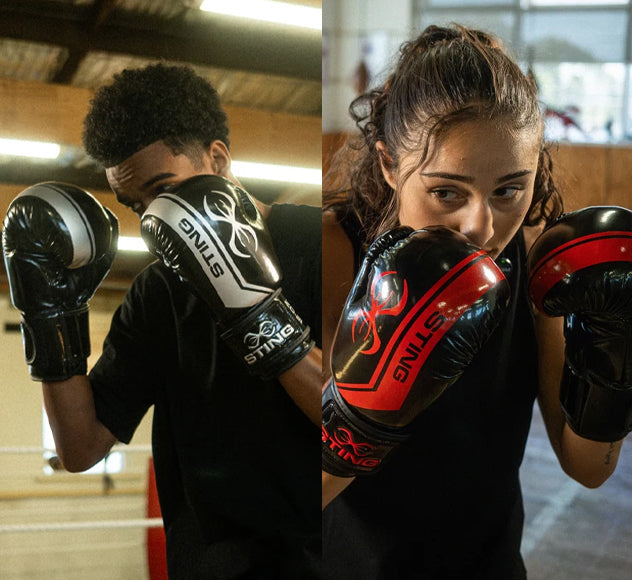

Choosing suitable gloves for kids in boxing is not only a matter of choosing the smallest pair possible. Boxing gloves that are too big can be rather bulky, which makes it difficult to perform any movements. In addition, improper fitting of the equipment affects comfort, technique, and wrist safety. Parents should also keep in mind such parameters as age, weight, hand size, type of training, and frequency of sessions.
Fortunately, selecting kids' boxing gloves is an easy task. Analyzing a few criteria and assessing the appropriateness of the equipment by trial will help you to purchase the necessary pair of gloves for your child. The following review provides more information on the process of selection.
What Size Boxing Gloves Should Kids Use?
Boxing gloves are normally measured in ounces (oz), which indicates the weight of the glove and not the hand size of the child.
There are various weights of youth boxing gloves available, but there is no standard size that will suit all children of a certain age. Age is just one factor; other factors include the size of the hand, body weight, training activities, and coaching advice.
A general starting point may look like this:
|
Child's Age |
Common Starting Range |
|
3–5 years |
4–6 oz |
|
6–7 years |
6–8 oz |
|
8–10 years |
8–10 oz |
|
11–12 years |
10–12 oz |
|
Older children/teens |
10–12 oz or as recommended |
These ranges are only a guide. Children of the same age can have very different hand sizes and builds, so do not choose gloves based on age alone.
For more information about glove sizing, STING's Boxing Size Guide can be used alongside your child's measurements.
5 Things To Consider When Choosing Kids Boxing Gloves
1. Your Child's Age And Weight
Age can help narrow down your options, but should not be the sole deciding factor. A smaller child may require lighter gloves than their peers of similar age; older and larger children may require different weight gloves altogether.
If you're uncertain which size would best fit your child, consult their coach beforehand. They may offer insight based on their training type and intensity level.
2. Hand Size
Hand size is one of the most important elements to consider when determining whether the gloves will be a proper fit.
To take the measurement of your child’s hand, you need to take the circumference using the measuring tape across the broadest point of the palm, not including the thumb.
It should fit the hand snugly without being too tight.
Your child's fingers should feel comfortable in the gloves, while the wrist closure should be snug enough without being uncomfortable.
3. Training Type
The proper pair of gloves will also depend on how your child trains.
A child who only trains in fundamental techniques, mitt work, or light bag training will not have the same needs as one who frequently spars.
Sparring will require a pair of gloves that offer sufficient protection to both athletes. The equipment used must always correspond with the training being done and the instructions offered by the coach.
If your child is new to boxing, always ask the coach which gloves he recommends.
4. Padding And Protection
Padding should be considered when selecting youth boxing gloves. A glove should provide sufficient padding to allow the child to maintain proper technique without disrupting it.
More padding does not guarantee a better glove; rather, its ideal amount and design depend on training activity, glove weight, and manufacturer design.
Selecting equipment tailored specifically to their size and training requirements is of utmost importance for young athletes, rather than simply opting for the thickest glove available.
5. Wrist Support And Closure
Proper securing of the wrist ensures that the glove remains in place while training.
Kids boxing gloves mostly employ the hook and loop type closure system because they are functional for training and easy to fasten.
While assessing the fit, you have to ensure that the closure is comfortably secured in place at the wrist level.
A good glove should be steady when your child forms a fist and uses his hands.
How Should Kids Boxing Gloves Fit?
Once you have selected a potential size, check the actual fit.
The glove should:
-
Fit securely around the hand
-
Allow the fingers to sit naturally
-
Keep the wrist supported
-
Feel comfortable with hand wraps underneath
-
Allow normal hand movement
-
Stay secure during training
If your child uses hand wraps, have them wear the wraps when trying on the gloves. A glove that fits without wraps may feel significantly tighter once the hands are wrapped.
If the glove feels excessively tight, causes discomfort, or prevents natural movement, try a different size or model.
Should Kids Wear Hand Wraps Under Boxing Gloves?
Hand wraps may give additional support to your hands and wrists while you train boxing. Hand wraps are usually worn under the boxing gloves; however, the specific conditions will vary depending on the particular exercise.
Proper application is essential, and it is also important that the wrap does not impede the blood circulation.
The hand wraps that STING provides meet all your boxing training requirements.
It would be wise to ask your coach to show you how to properly wear hand wraps when you start learning boxing.
What Material Is Best For Kids Boxing Gloves?
Kids' boxing gloves are available in different materials, including synthetic and leather options.
The best choice depends on your child's training frequency, budget, and expected use.
Synthetic gloves
A synthetic version may be a good choice for kids who are just beginning to train. The synthetic versions could also be easier to maintain and cost less money.
Leather gloves
Leather provides strength and a distinct texture that may be especially suited to children who train often.
Rather than deciding on the basis of the material alone, think about the overall design of the gloves.
How To Care For Kids Boxing Gloves
Good maintenance can help keep boxing gloves in better condition and reduce the buildup of sweat and moisture.
After training:
-
Wipe the gloves with a clean, slightly damp cloth.
-
Leave them open in a well-ventilated area.
-
Allow them to dry completely before storing them.
-
Avoid leaving them inside a closed gym bag for extended periods.
-
Check the padding, stitching, and wrist closure regularly.
If the gloves become damaged or the padding significantly deteriorates, replace them rather than continuing to use worn equipment.
For additional guidance, see STING's boxing glove cleaning guide.
When Should You Replace Kids Boxing Gloves?
Children grow quickly, so a glove that fit well several months ago may no longer be appropriate.
Check the gloves regularly for:
-
Tightness around the fingers
-
Restricted hand movement
-
Insufficient wrist support
-
Damaged stitching
-
Flattened or damaged padding
-
A worn or faulty closure
If your child has moved into a different training level or activity, ask their coach whether their current gloves are still appropriate.
Replacing gloves is not only about wear and tear. A child's changing hand size and training needs can also mean it is time for a different pair.
A Simple Buying Checklist
Before buying boxing gloves for your child, ask:
-
What is my child's age and weight?
-
What size are their hands?
-
What type of training will they do?
-
Will they be sparring?
-
Do they need to wear hand wraps?
-
Does the glove provide a secure wrist fit?
-
Is the padding appropriate for their training?
-
Does the manufacturer provide a sizing guide?
-
Has their coach recommended a particular glove weight?
If you can answer these questions, you are much more likely to choose a glove that fits your child's actual needs instead of simply buying based on age.
Frequently Asked Questions
What size boxing gloves are best for kids?
There is no single size suitable for every child's glove needs; most commonly used youth glove weights range from 4 oz to 12 oz. However, the right choice depends on factors like age, weight, hand size, training activity, and coach recommendations.
How do I measure my child's hand for boxing gloves?
Take measurements around the widest part of their palm without including the thumb. Compare this measurement with manufacturer sizing information and check that hand wraps fit if used.
What size boxing gloves does a 10-year-old need?
A 10-year-old can use gloves in the 8-10 oz range, although age should not be the only factor considered when determining the appropriate glove size.
Can kids use adult boxing gloves?
Children should choose gloves that fit according to their size and training requirements. Gloves for adults would be too big and ill-fitting for children, so it is recommended to consider youth-sized gloves initially.
Should kids wear hand wraps under boxing gloves?
Hand wraps are usually worn under boxing gloves to add extra protection for the hands and wrists. The proper choice of wrap and wrapping technique should be done with the advice of a professional coach.
Final Thoughts
Choosing appropriate boxing gloves for children involves more than age or weight considerations alone. Additional considerations such as hand size, fit, training activity, padding support, and wrist support, as well as their individual needs, should also be taken into account when choosing their gloves.
Start with manufacturer-provided size information, consider how your child will use them, and consult their coach if unsure.
For parents searching for youth-specific equipment, STING's Kids Boxing Gloves provide perfect options to meet training requirements for every kid!
Young boxers need a glove with just the right fit to provide comfort, support, and allow them to focus on learning, moving, and enjoying boxing.