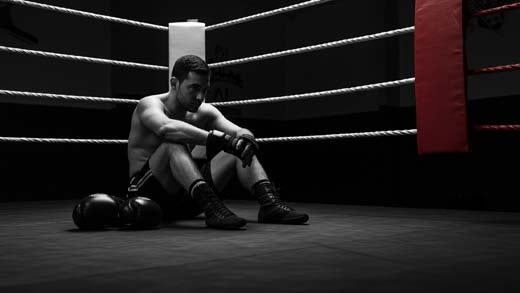

Every fighter understands that ears tell a story. Cauliflower ear is one of the most recognizable and permanent scars in combat sports, and it is easily identifiable in all combat sports, including boxing, MMA, wrestling, and BJJ. Cauliflower ear has been around in combat sports for over 100 years, starting in the early 1900s in bare-knuckle boxing.
Today, research indicates that almost 40% of all experienced grapplers will develop some degree of ear deformation in their combat sports career. What is unique about cauliflower ear is that it is permanent once scar tissue forms. Understanding what it is, what causes it, and how to prevent it before it happens is the best defense a combat sports athlete can have in 2026.
What Is Cauliflower Ear?
Cauliflower ear is a permanent deformity of the outer ear. This deformity occurs because of an untreated auricular hematoma. When the ear is struck with a blunt object, blood vessels between the skin and cartilage rupture. This rupture causes blood to accumulate between the skin and cartilage. This accumulated blood separates the skin and cartilage.
This separation also causes the cartilage to die because of lack of blood. A scar forms where the cartilage used to be. This scar becomes hard and lumpy over time. This scar resembles a cauliflower because of its lumpy nature. This is where cauliflower ear gets its name.
The medical term used for cauliflower ear is auricular hematoma. In this condition, only part of the outer ear is usually affected. In severe cases of cauliflower ear, the whole ear can be deformed. Apart from deformity, cauliflower ear can also cause problems such as a constricted ear canal, discomfort, and difficulties in hearing partially if this condition is left untreated.
What Causes Cauliflower Ear?
The direct cause of cauliflower ear is repeated or severe blunt trauma to the outer ear. The trauma damages the small blood vessels that are located in the space between the cartilage and the skin. The blood that accumulates in this space is called a hematoma, and if this blood is not drained within 48 to 72 hours, the body starts to absorb the blood and replace it with fibrous tissue.
The most common causes of sport include the following:
Boxing: Hooks, jabs, and crosses to the sides of the head. Sparring without headgear is the most common cause of injury in boxers. Even the repeated glancing blows add up after many training sessions.
MMA and Muay Thai: All the strikes, elbows, clinching, and ground-and-pound attacks lead to ear injuries. The Thai clinch especially involves repeated pressure on the sides of the head, which damages the ears.
Wrestling and BJJ: Headlocks, guard passes, and friction on the mat are the most common causes. The ear is usually squished by the opponent's body or the mat, making this one of the most dangerous sports for this injury.
Rugby and American Football: Scrumming, tackling, and helmet impacts repeatedly squish the ears, especially for the forwards and linemen on the team.
By understanding the various ways in which the injury occurs in different sports, one can take the right preventive measures by using the right gear. To build training habits that minimize unnecessary impact, read our guide on heavy bag workout drills every boxer should master, which covers controlled technique development for all levels.
How Do You Get Cauliflower Ear?
It is also important to note that most sportsmen do not acquire cauliflower ear as a result of a single dramatic injury. In fact, this is not true. Most sportsmen acquire cauliflower ear over time. This occurs because of a series of events that take place over time. These events occur in this order:
A sportsman is subjected to a moderate impact on the ear during a training session. He does not take this seriously because he believes that it is minor and that he can wait for it to heal. Over time, i.e., within 24 to 48 hours, fluid continues to accumulate. If this is not treated within the first two to three days, the hematoma organizes. This means that within five to seven days, fibrous tissue begins to develop. This is because, within two to four weeks, this deformity becomes permanent.
It is also important to note that cauliflower ear can also occur because of a single dramatic injury.
Does Cauliflower Ear Go Away?
One of the most important questions a combat athlete can pose is, "How can cauliflower ear be corrected?" The answer is only if treated early enough.
In the first 48 to 72 hours after a cauliflower ear has developed, a new hematoma is still fluid and can be drained by a medical practitioner using a needle and/or a small incision and local anesthesia. A compression dressing or through-and-through sutures can be used to keep the skin flat and over the cartilage. In this case, the ear can be returned to almost its original state.
However, if a cauliflower ear has developed a hematoma that is older than 72 hours and has formed fibrous tissue, this will not go away by itself. In this case, otoplasty is the solution. In this procedure, fibrous tissue is removed, and cartilage is reshaped. It is a costly and often uninsured procedure in Canada and America and requires general or local anesthesia and a considerable recovery time.
The most important information is that cauliflower ear is a time-sensitive condition. Every hour counts once a cauliflower ear has developed and swollen. Never wait and never assume that it will go away by itself.
Who Is at Risk?
Cauliflower ear does not discriminate by experience level. Beginners who spar without headgear are just as at risk as seasoned professionals. However, some groups carry a higher risk than others:
|
Group |
Risk Level |
Primary Reason |
|
BJJ and Wrestling Athletes |
Very High |
Frequent mat and head-to-head friction |
|
MMA Fighters |
Very High |
Strikes, clinch work, and grappling combined |
|
Boxers (without headgear) |
High |
Repeated head strikes during sparring |
|
Rugby Forwards |
Medium to High |
Scrum and tackle contact |
|
Beginners in Combat Sports |
High |
Lack of awareness and protective gear |
|
Recreational Grapplers |
Medium |
Lower frequency, but often no headgear |
Training frequency also matters. Athletes who train five or more days per week face compounding micro-trauma that builds up faster than the body can recover. Rest days are not just recovery tools but also injury prevention measures for the ears.
Cauliflower Ear in Dogs
Cauliflower ear is not unique to human beings. Cauliflower ear in dogs is a common medical problem that involves the same biological response as in humans. An auricular hematoma in a dog occurs when there is a buildup of blood between the skin and cartilage of the dog's ear flap, also known as the pinna. If the hematoma is not treated, it will develop into fibrous tissue and alter the shape of the dog's ear.
Dogs commonly suffer from cauliflower ear as a result of chronic infections in the ears that cause the dog to shake its head, trauma to the dog's head, allergies, and the presence of a foreign body in the dog's ear canal. Long and floppy ears are common in Cocker Spaniels, Basset Hounds, Golden Retrievers, Labrador Retrievers, and many others.
Signs to watch for include swelling or a fluid-filled lump on the ear flap, redness, warmth, and the dog repeatedly shaking its head or pawing at its ear. A veterinarian should be seen immediately. Treatment options include needle aspiration, surgical drainage with tacking sutures, and long-term management of the underlying cause, particularly recurring ear infections. Prevention focuses on routine ear cleaning, prompt infection treatment, and keeping the ears dry.
How to Prevent Cauliflower Ear
Prevention is always more effective, less painful, and far less expensive than treatment. Here is what every combat athlete should do consistently in 2026:
Wear Quality Headgear During Every Sparring Session
This is the most effective thing to do. Headgear with full ear coverage can protect the auricle from direct blows or compression. Not using headgear at all, or even just skipping it during tough sparring sessions, can add up to risk accumulation. There are no excuses for not using headgear during sparring.
Choosing the right headgear is critical. Explore the full range of boxing headgear at Sting Sports Canada to find options with full ear cup protection designed for boxing and MMA training environments.
Use Wrestling Ear Guards for Grappling
For wrestlers and BJJ practitioners, ear guards or special headgear offer direct ear cup protection without affecting grappling. They are light, adjustable, and specifically designed for grappling activity.
Seek Immediate Medical Attention After Any Ear Swelling
If you notice that your ear is warm, tender, or swollen after a grappling session, seek medical attention on the same day. Do not delay until the next morning or until after the weekend. The window for a full recovery is only 48 hours, and each hour counts.
Apply Compression After Any Drainage
After draining a hematoma, a compression bandage is applied, or through-and-through sutures are placed to keep the skin in close contact with the cartilage. This is a non-negotiable requirement. Failure to apply a compression bandage will cause re-accumulation of fluids, and you will be back in the same situation.
Improve Your Technique to Reduce Unnecessary Head Contact
In BJJ and wrestling, a lot of friction is caused by poor head placement and grinding. It is essential to understand how to place your head in takedowns, guard passing, and scrambles. This will greatly reduce trauma. It is essential to work with your coach to improve your head placement during drilling sessions.
Keep Your Ears Clean and Dry After Training
It is essential to keep your ears dry and clean to reduce inflammation and swelling. It is vital to keep your ears dry and clean after training. It is particularly critical for grapplers who tend to sweat a lot in ground fighting.
Understanding how proper technique directly reduces injury risk goes hand in hand with prevention. Check out our breakdown of the Philly shell boxing stance to see how smart positioning reduces unnecessary head exposure in striking sports.
For full protective gear options that keep you safe across every training scenario, visit Sting Sports Canada and explore the complete boxing protective range.
Treatment Options
In case prevention does not work, knowing the treatment options available makes a big difference in terms of outcomes.
Within 48 to 72 Hours (Acute Stage): A medical practitioner drains the hematoma using a needle aspiration technique. A compression bandage is also applied. Taking ibuprofen or any other anti-inflammatory drug can help reduce pain and swelling. Complete bed rest is mandatory. Training again before the ear is completely healed can cause a repeat of the injury pattern.
After 72 Hours (Sub-Acute Stage): Draining the hematoma is difficult at this stage because blood tends to clot. A doctor can still attempt to drain the hematoma using a needle aspiration technique. However, this is not successful in this period.
After the Fibrous Tissue Has Formed (Chronic Stage): In this stage, the only solution is otoplasty, which requires the removal of the fibrous tissue by a surgeon. The cartilage is then reshaped. The process may take weeks, after which the ears may not go back to their original position. Prevention in the acute stage is the best solution.
Never try to drain the blood by yourself. Home drainage is not only not helpful but is harmful because of the chances of infection.
Prevention Methods: Quick Comparison Table
|
Prevention Method |
Effectiveness |
Cost |
Best For |
|
Boxing Headgear with Ear Coverage |
Very High |
Medium |
Boxers, Kickboxers, MMA Fighters |
|
Wrestling or BJJ Ear Guards |
Very High |
Low |
Wrestlers, Grapplers |
|
Immediate Hematoma Drainage (Medical) |
Very High |
Low to Medium |
All athletes post-injury |
|
Compression Bandaging Post-Drainage |
High |
Low |
Post-drainage recovery |
|
Proper Head Positioning (Technique) |
Medium to High |
Free |
Wrestlers, BJJ Athletes |
|
Post-Training Ear Cleaning and Drying |
Medium |
Free |
All combat athletes |
|
Avoiding Unprotected Sparring |
Very High |
Free |
All combat sport athletes |
Conclusion
Cauliflower ear is completely preventable for the vast majority of combat sportsmen and women. The science behind it couldn't be more straightforward: protect your ears while in the gym, identify the swelling quickly, and seek medical attention promptly. However, once fibrous scarring has taken place, the deformity cannot be reversed, and surgery is the only option going forward. No gym session is worth not wearing your headgear for.
Whether you're a newcomer to the world of boxing or a seasoned competitor, getting the right equipment from the get-go not only protects your ears but also enhances your overall performance in the future. Check out Sting Sports Canada for the best in boxing headgear and equipment that meets the needs of every boxer, regardless of experience level. Share this article with your fellow gym buddies so they know the risks before their next session in the ring.
FAQs
Q1: Does cauliflower ear go away without treatment?
No. Cauliflower ear will not heal by itself once fibrous tissue has developed. Fluid-stage hematomas that are addressed between 48 and 72 hours will be successfully drained and have a good outcome. After this timeframe, surgical correction is the only solution that will solve this deformity.
Q2: How do you get cauliflower ear from boxing?
Cauliflower ear is obtained from boxing through blunt trauma to the outside of the ear from a series of hits and clinching. Sparring without headgear is the most common cause. Although this is a minor trauma, repeated many times over many sessions, headgear is essential for all boxers.
Q3: What does early cauliflower ear feel like?
Early signs of cauliflower ear in its early stages include a warm, sensitive, and swollen region or regions close to the ear, a few hours after a fight. The ear may look slightly swollen and red. It is at this point that immediate action is required rather than waiting for a later time.
Q4: Can cauliflower ear be prevented completely?
Yes. It can be prevented to a great extent by using quality headgear and proper techniques and getting immediate medical care at any sign of ear injury. Although cauliflower ear is inevitable in combat sports, proper precautions can minimize the risks of getting cauliflower ear.
Q5: Is cauliflower ear common in dogs?
Yes. The biological process that leads to cauliflower ear in dogs is similar to that in humans. Dogs that have droopy ears are more prone to it. Some of the reasons why it happens in dogs include chronic ear infections, trauma, and allergies, all of which cause head-shaking. If treated within a few days, a dog has a good chance of fully recovering from it. If left untreated, it is a permanent deformity, similar to that in human athletes.