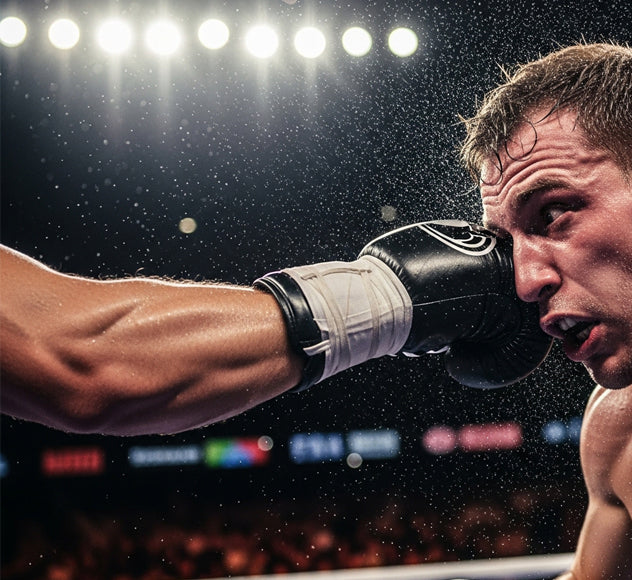

Every fighter who has ever laced up gloves started in the same place: learning the fundamentals. Boxing moves are not just about throwing punches. They are about timing, positioning, defense, and knowing exactly when to attack and when to protect yourself. The sport has been refined over centuries, from bare-knuckle brawlers in 18th-century England to the technical masterclasses of Floyd Mayweather and Muhammad Ali.
Today, whether you are training for competition or stepping into a gym for the first time, understanding basic boxing moves gives you the foundation on which everything else is built. This guide covers every offensive punch, every key defensive technique, and the illegal moves that will get you disqualified if you do not know the rules.
Why Boxing Moves Matter
Boxing is one of the most demanding sports in the world, both physically and mentally. Every punch thrown, every slip made, and every step taken is a calculated decision. About 90% of boxers suffer concussions during their careers, which is exactly why proper technique and defensive habits are not optional; they are essential for longevity in the sport.
Mastering boxing moves from the ground up does more than make you a better fighter. It builds coordination, sharpens reflexes, improves cardiovascular fitness, and trains your mind to think under pressure. Whether your goal is competition, fitness, or self-defense, the techniques in this guide are your starting point.
The Boxing Stance: Before Any Move
No boxing move works without a proper stance. Your stance is your foundation, and everything, your punching power, your defensive position, and your ability to move, depends on getting it right.
-
The feet should be slightly wider than shoulder-width apart, with the front foot angled roughly 45 degrees relative to the back foot.
-
Stay on the balls of both feet. Never allow the back foot to go flat. Make sure the knees are bent slightly and relaxed.
-
As an orthodox boxer, the right shoulder and left shoulder should align to point in the general direction of the opponent. This minimises the target area to the opponent and also offers more leverage when throwing punches.
-
Bring the hands up to cheek level, turning the palms very slightly toward you. This will have the effect of drawing your elbows in to provide protection for your body. Make a fist with your hands, but don’t ‘clench’ that fist; stay relaxed.
-
Rest your chin on your chest, tucked lightly.
-
Ensure that your body weight remains central or on the back leg.
The 4 Basic Boxing Moves: Offensive Punches
Boxing recognizes six standard punches, but the four below are the foundation every fighter builds from first. These are the basic boxing moves you will drill hundreds of times before anything else.
1. The Jab
This is the very first move you learn in boxing. It is thrown with the lead hand in a quick, direct, snapping motion at eye level. This is a quick, straight-line strike used to hit both the head and the body. The jab is one of the most important punches in boxing, not only because it is powerful, but also because it establishes the distance between you and your opponent and sets the stage for how close you need to be.
Use the jab to measure distance, disrupt your opponent's rhythm, set up combinations, and control the pace of a round. As you grow more comfortable with the standard jab, practicing other variations such as the flicker Jab can add another layer to your offensive game that opponents struggle to read.
2. The Cross
The cross is a straight power punch thrown with the rear hand. As you extend the punch, your rear foot rotates, and your hips and shoulders turn into the shot to generate maximum force. Your lead hand stays up to protect your chin throughout. The cross travels across the body with a back foot pivot, using whole-body engagement, and is the most common follow-up to a jab in combinations.
3. The Hook
The hook in boxing is a lateral punch thrown with either hand. To do a hook, you rotate your body while swinging your arm in a horizontal arc toward your target. A hook thrown only with arm strength will be both weak and slow. It is considered a mid- to close-range power shot and can be aimed high or low (head or body). Target your opponent while keeping your guard tight on the opposite side to protect yourself from counters. A hook is one of the foundational punches used in boxing, along with jabs, crosses, and uppercuts.
4. The Uppercut
The uppercut travels upward along a vertical path, targeting the chin or body of an opponent at close range. Drop your rear hand slightly before firing, drive upward with your legs and hips, and rotate your shoulder into the punch. To maximize power, rotate the shoulder and torso as you drive the punch upward, and retract the hand back to the defensive guard position immediately after impact.
The uppercut is most effective on the inside when your opponent's guard is high and their chin is exposed. Using a punching bag while practicing these punches helps improve accuracy, power, and endurance
Defensive Boxing Moves Every Fighter Needs
Defensive strategies in boxing are important skills for anyone entering the ring or just looking for an effective workout. Here are the types of boxing moves every beginner should learn:
-
Blocking: Using your boxing gloves or arms to absorb a punch.
-
High Guard Block: Keep your hands up to protect your face.
-
Slipping and Ducking: Moving the head to the side or lowering it to avoid a punch.
-
Parrying: Redirect incoming punches with your gloves.
-
Footwork: Using movement to avoid punches rather than blocking.
-
Bobbing and Weaving: Bend knees and move upper body to avoid hits.
-
Pivot: Turn on the ball of the lead foot to change angles.
Once you’ve mastered these basics, advanced defensive styles like the Philly Shell Boxing stance can further enhance your protection and set up counterattacks.
Essential Boxing Training Techniques for Beginners
Here are some key training techniques every beginner can use to improve punches, defense, and overall ring performance.
|
Move / Skill |
Focus Area |
Key Tip for Beginners |
Benefit Beyond Fighting |
|
Shadow Boxing |
Technique & Speed |
Practice in front of a mirror |
Improves form, footwork, and timing |
|
Speed Bag |
Hand-Eye Coordination |
Keep wrists loose, small circular motions |
Boosts reflexes and shoulder endurance |
|
Double-End Bag |
Accuracy & Timing |
Focus on rhythm, not just power |
Enhances timing and precision |
|
Clinch Control |
Inside Defense |
Use arms to control the opponent’s movement |
Builds strength and close-range strategy |
|
Reaction Drills |
Reflexes & Awareness |
Partner or coach calls out moves |
Sharpens defensive response and anticipation |
|
Conditioning Combos |
Stamina |
Combine punches with footwork rounds |
Improves cardio, endurance, and consistency |
Illegal Boxing Moves and Fouls
Knowing what you cannot do is just as important as knowing what you can. Illegal moves in boxing include actions like headbutting, hitting below the belt, and striking an opponent who is down.
Here is a full breakdown of illegal boxing moves that result in warnings, point deductions, or disqualification:
Low Blows: Any punch that lands on or below the opponent's waistband. Even accidental low blows give the affected boxer up to five minutes to recover.
Rabbit Punches: Punches to the back of the head or neck. These are among the most dangerous illegal moves in the sport due to the risk of spinal damage.
Headbutting: Using the head as a weapon against an opponent. Most disqualifications happen for repeated intentional fouling, such as headbutting, low blows, rabbit punches, and biting.
Hitting a Downed Opponent: Once a fighter touches the canvas, all punching must stop immediately. Striking a downed opponent results in an immediate penalty.
Hitting After the Bell: Boxers must not make any punches after the bell strikes. Punching after the round ends is a foul regardless of whether contact was intentional.
Elbow and Backhand Strikes: Hitting with the open glove, the butt of the hand, the wrist, or the elbow, and all backhand blows are illegal.
Holding and Wrestling: Boxers cannot hold, kick, trip, bite, headbutt, wrestle, spit on, or push an opponent.
When fouls occur, referees issue warnings and, if necessary, deduct points. Persistent fouling can lead to disqualification.
Final Thought
Learning the basic boxing moves is the foundation of becoming an experienced boxer. Every jab, hook, slip, clinch, and pivot represents a fighter's training, dedication, discipline, and fight IQ. Whether you are training for basic offensive boxing moves or learning defensive strategies, all these techniques give you a starting point and a clear path to develop further.
Looking to get started? Sting Sports is here to make sure your boxing journey is safe and accessible. When you are ready to train with equipment built for fighters who take every round seriously, we are here to make sure nothing holds you back.
FAQs
Q1. What are boxing moves?
Boxing moves are the offensive and defensive techniques used in boxing, including punches like the jab, cross, hook, and uppercut, alongside defensive skills like slipping, blocking, and parrying.
Q2. What are the basic boxing moves for beginners?
The four basic boxing moves every beginner should learn are the jab, cross, hook, and uppercut. These form the complete foundation of boxing technique.
Q3. What are the names of the boxing moves for the six punches?
Here are the six boxing moves names every beginner should know: jab (1), cross (2), lead hook (3), rear hook (4), lead uppercut (5), and rear uppercut (6).
Q4. What are illegal boxing moves?
Illegal boxing moves include hitting below the belt, rabbit punches, headbutting, striking a downed opponent, hitting after the bell, elbow strikes, and holding.
Q5. What are the types of boxing moves in defense?
The main types of boxing moves in defense are slipping, bobbing and weaving, blocking, parrying, the shoulder roll, the clinch, and footwork-based evasion.