
Nobody talks about how much the wrong outfit costs you in a training session. A waistband that slips mid-round, shorts that restrict your kick, a shirt soaked through before the second set these are not minor annoyances. They interrupt focus, limit movement, and turn a good session into a frustrating one. Choosing the best workout clothes in Canada is less about brand loyalty and more about understanding what each training style physically demands from the fabric and fit you put on before you start. Canadian training environments add another layer to this: gyms that run cold in winter, outdoor sessions in humidity, and the need for gear that transitions across seasons without needing a full wardrobe overhaul. This guide covers what actually matters when selecting workout clothing for boxing and general training in Canada.
Why Workout Clothes Actually Matter
Clothing affects thermoregulation, range of motion, and focus. These are not marginal considerations. A fabric that traps heat raises core temperature faster than the workout itself should, and a fit that restricts shoulder rotation on a jab changes the mechanics of the punch.
For boxing training specifically, the demands on clothing are more specific than general gym wear. Lateral movement, rotation through the hips, repeated arm extension, and clinch work all require a garment that moves with the body rather than against it.
Fabric Is Everything
The single most important decision in any workout garment is the fabric. Everything else — cut, colour, brand sits underneath it.
Moisture-wicking polyester and nylon blends pull sweat away from the skin and dry quickly, which matters in a boxing session where rounds are intense and rest periods are short. Cotton feels comfortable off the gym floor but absorbs moisture and stays wet, which increases chafing and drops body temperature uncomfortably during rest intervals.
What to look for on the label:
-
Polyester or nylon content above 80 percent for high-intensity training
-
Elastane or spandex content between 10 and 20 percent for stretch and recovery
-
Avoid 100 percent cotton for any training where sustained output is expected
-
Antimicrobial treatment on the fabric extends wearability between washes significantly
What to Wear for Boxing Training
Boxing shorts deserve specific attention because standard gym shorts are not built for the movement patterns boxing requires. The split hem or wide-leg cut that most boxing shorts use is not aesthetic; it allows full hip extension on kicks and unrestricted knee drive on lateral movement without the fabric riding up or binding.
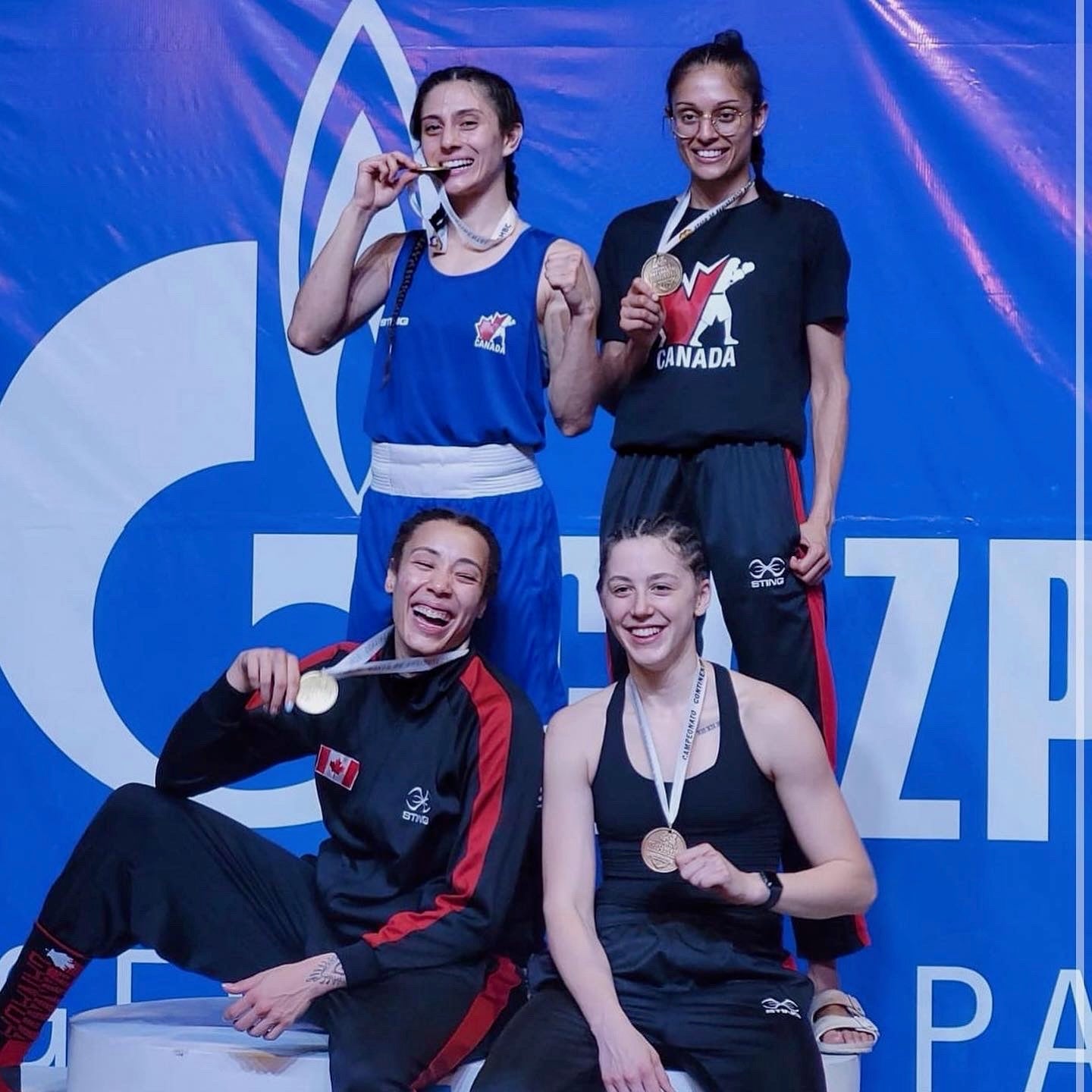
Sting Sport's boxing shorts and singlets are cut specifically for boxing movement, with moisture-wicking fabric and a fit that does not interfere with punch extension or footwork. The right shorts are the foundation of a training session that stays focused on technique rather than constantly adjusting what you are wearing.
For upper body:
-
Fitted tops reduce the fabric catching on a partner's gloves during clinch work
-
Sleeveless options allow clearer feedback on shoulder rotation during combination work
-
Avoid baggy tops that obscure your own movement from coaches trying to correct your form
Choosing the Right Fit
Fit is not about aesthetics in a training context. It is about whether the garment allows the range of motion the session requires without restriction or excess fabric interfering with movement.
Compression fit suits pad work and bag sessions where tight feedback on muscle activation improves form awareness. Relaxed fit suits sparring and footwork drills where a slightly looser garment allows full hip and shoulder mobility without the compression affecting blood flow over extended rounds. Understanding your footwork requirements before choosing training clothing is covered in detail on boxing footwork drills for beginners, which also outlines the movement demands that clothing needs to accommodate.
Shoes Make or Break Your Training
Footwear is the most functionally critical part of a boxing training outfit and the most frequently compromised. Running shoes are built for forward propulsion. Boxing training requires lateral pivot, quick directional change, and a flat sole that allows full foot contact with the floor on stance transitions.
Sting Sport's boxing shoes are engineered specifically for the grip-to-slide ratio that boxing footwork demands. The Viper X 2.0 provides ankle support for lateral movement without restricting the pivot that defensive footwork relies on. Wearing running shoes in a boxing session is not just suboptimal, it actively interferes with developing correct foot mechanics.
Protective Gear Is Part of the Outfit
Hand wraps, headgear, and body protection are not accessories. They are functional components of training clothing that determine what the session can safely include.
Sting Sport's protective gear range covers headgear, body protectors, and groin guards built for training intensity rather than light contact only. The right hand wraps underneath gloves affect how the glove fits and how the wrist is supported through thousands of repetitions across a training week. A detailed breakdown of wrap selection is covered in best boxing hand wraps, which covers length, material, and application method for different hand sizes and training types.
Dressing for Canadian Weather
Canadian gym environments vary significantly across provinces and seasons. A gym in Vancouver runs differently from one in Edmonton in January, and outdoor training in Ontario summer humidity demands different fabric choices than an air-conditioned boxing gym in Calgary.
Layering for Canadian training conditions:
-
Base layer: moisture-wicking compression top that stays against the skin regardless of what goes over it
-
Mid layer: lightweight zip-up that removes quickly between rounds without disrupting the session
-
Avoid heavy cotton hoodies for warm-up they retain moisture and become dead weight once the session starts
-
In winter outdoor training, wind-resistant outer layers that do not restrict arm movement are worth the investment over standard gym hoodies
Workout Clothing Fabric Guide
|
Fabric |
Best For |
Avoid When |
Canadian Season Suitability |
|
Polyester blend |
High-intensity boxing, bag work |
Low-impact recovery sessions where feel matters more |
Year-round, all provinces |
|
Nylon |
Footwork drills, lateral movement sessions |
Extended outdoor cold weather training alone |
Spring through autumn |
|
Cotton blend |
Light warm-up, recovery days |
Any session with sustained sweat output |
Winter indoor only |
|
Compression elastane |
Pad work, form-focused drilling |
Sessions requiring full unrestricted hip mobility |
Year-round |
|
Moisture-wicking fleece |
Cold gym warm-ups, outdoor winter training |
Summer indoor sessions in heated gyms |
Autumn and winter |
Conclusion
Choosing the best workout clothes in Canada for boxing training comes down to fabric that manages moisture, fit that matches the movement demands of the session, shoes built for lateral mechanics rather than forward propulsion, and protective gear that completes the functional outfit rather than sitting in a bag until sparring day.
Visit Sting Sport to explore boxing apparel, shoes, and protective gear built specifically for training performance rather than gym aesthetics.
FAQs
Do I need specific boxing shorts or will regular gym shorts work?
Regular gym shorts work for light bag sessions but restrict hip mobility during kicks and lateral movement. Boxing-specific cuts with split hems or wide-leg openings are worth the investment once training intensity increases.
How important are boxing shoes compared to cross-trainers?
Significantly more important than most beginners expect. Cross-trainers are built for forward movement and cushion the heel in ways that interfere with boxing footwork mechanics. Boxing shoes provide the flat sole and lateral grip that correct stance and movement require.
What fabric should I avoid for boxing training in Canada?
100 percent cotton is the most consistently problematic fabric for boxing training. It retains moisture, stays wet through rest periods, and drops body temperature uncomfortably during high-volume sessions in Canadian gyms.
Should I wear compression clothing for boxing?
Compression works well for bag and pad sessions where muscle feedback matters. For sparring and footwork-heavy sessions, a slightly relaxed fit allows the full range of hip and shoulder motion those activities require.
How do I choose workout clothes for outdoor training in Canadian winter?
Layer a moisture-wicking base layer under a wind-resistant outer layer that removes quickly. Avoid cotton at any layer. Hands and ears need coverage, but the core and legs generate enough heat in active training that heavy insulation becomes a liability within two or three minutes of starting