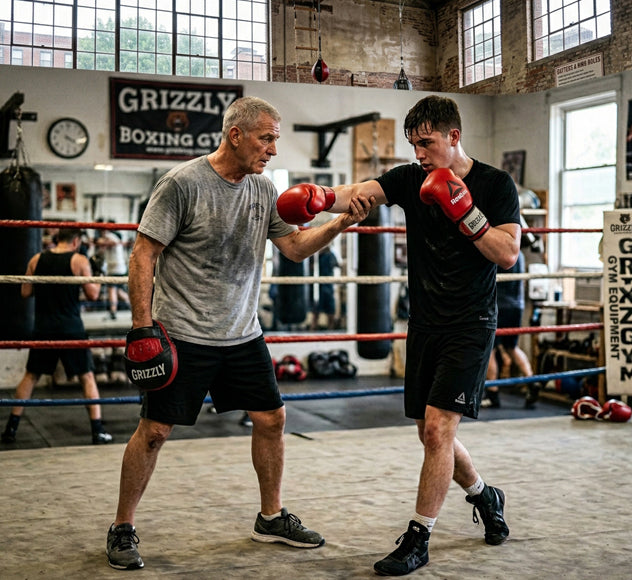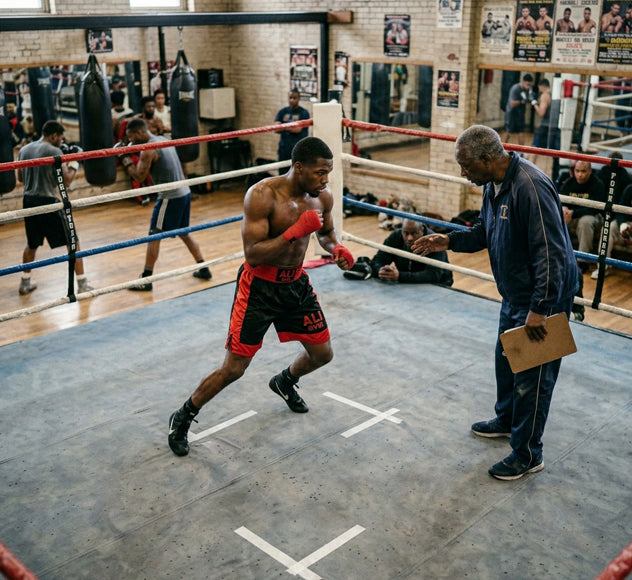

"A boxer fights with his hands. A mixed martial artist fights with everything." That line captures the heart of the boxing vs MMA striking debate that fans argue over constantly. Boxing traces its modern rules back to the Marquess of Queensberry in 1867, while MMA striking developed from a blend of disciplines after the sport arrived in the early 1990s. A 2021 analysis of professional fight data found that MMA strikers land fewer total punches per round than boxers, largely because takedown threats force constant defensive adjustment. Anyone curious about boxing vs MMA striking needs to understand how cage dynamics, multiple disciplines, and rule differences reshape striking from the ground up.
What Sets Boxing Apart from MMA Striking
Boxing uses only the hands, thrown from a square stance built for power and combination punching. MMA striking includes punches, kicks, knees, and elbows thrown from a stance built to defend against takedowns as well as strikes.
This single difference changes everything about how a fighter stands, moves, and commits to an exchange. A pure boxer who steps into a cage without adjusting their stance becomes vulnerable to legs and clinch entries within seconds.
What MMA Striking Borrows from Boxing
MMA strikers still use jabs, crosses, hooks, and uppercuts as core tools. Many elite strikers in MMA train with boxing coaches specifically to sharpen hand speed and combination work.
The borrowed techniques get modified to account for low kicks and takedown attempts. A pure boxing combination thrown without adjustment leaves the hips exposed to a leg kick or a double-leg takedown.
Why Boxing Skills Translate Differently Inside a Cage
Boxing skills built around head movement and tight footwork translate well to MMA striking exchanges. Slipping and rolling work just as effectively against punches inside a cage as they do inside a ring.
The problem comes from posture. Classic boxing stance drops the head low and plants the feet square, which works against punches but leaves a fighter open to a knee or a takedown attempt.
Why Pure Boxers Struggle Early in MMA Careers
Pure boxers entering MMA often forget to defend leg kicks because their boxing background never required it. This gap closes with dedicated training but causes real problems in early fights.
Footwork built purely for boxing also creates predictable patterns that a well-rounded MMA striker can read and counter with a takedown.
When Boxing Footwork Works Against You in MMA
Square boxing footwork becomes a liability the moment a kick enters the exchange. Standing square exposes both legs to low kicks that a bladed MMA stance naturally defends against.
Boxing footwork also struggles in the clinch range, where MMA fighters look to secure a takedown rather than continue striking. A boxer trained only to box often stays too long in that range out of habit.
When a Bladed Stance Becomes Necessary
A bladed stance protects the lead leg from kicks and makes takedown entries harder to complete cleanly. Most professional MMA strikers adopt this stance specifically for those two reasons.
Boxers transitioning into MMA usually need several months of dedicated drilling before the bladed stance feels natural under pressure rather than forced.
How Striking Techniques Change Across Both Sports
Boxing striking techniques rely on tight combinations, head movement, and constant hand pressure. MMA striking techniques add kicks and knees into those combinations, which changes both range and timing completely.
A fighter throwing a leg kick must commit weight differently than one throwing a jab. That weight commitment opens a window for a counter that simply does not exist in boxing exchanges.
How Range Changes the Entire Striking Game
-
Boxing range stays tight and close, built around punches that travel two to three feet at most
-
MMA striking range extends further out due to kicks, which travel from a greater distance and require different footwork
-
Clinch range becomes a takedown battle in MMA rather than a striking exchange, unlike in boxing, where clinching simply gets broken by the referee
-
Elbows and knees operate at extremely close range, closer than most boxing exchanges ever go
How Stance and Guard Differ Between the Two Disciplines
The boxing guard sits high and tight, protecting the chin and ribs from punches alone. MMA guard sits slightly lower and wider to account for kicks targeting the legs and body.
Hand position also shifts. MMA fighters often carry their lead hand lower than a boxer would, since it needs to check kicks and defend takedown attempts rather than just block punches.
How Footwork Patterns Differ in Practice
Boxing footwork emphasises lateral movement and pivots designed purely around punch range and angles. MMA footwork adds constant readiness to change levels for a sprawl or a takedown defense.
This extra layer means MMA strikers often move slightly slower in pure punching exchanges, trading some hand speed for defensive readiness across the whole body.
Where Other Skills Fit Around Striking in MMA
Striking is only one part of a complete MMA skill set. Understanding Judo vs Jiu-Jitsu helps explain why so many strikers also need grappling defense, since both grappling arts attack the very takedowns and clinch entries that disrupt clean striking exchanges.
Weight and matchups also shape how striking plays out. The structure of MMA Weight Classes means strikers often face opponents with very different reach and power than they would in a boxing match at the same weight, since cutting and rehydration patterns differ significantly between the sports.
What Gear Protects Fighters in Each Sport
Training boxing skills safely for either sport starts with the basics. Handwraps protect the small bones in the hand and stabilise the wrist, whether you are drilling boxing combinations or MMA ground and pound.
Sparring sessions in both disciplines call for properly fitted headgear to absorb impact and reduce cuts during high-intensity rounds. Quality protection lets fighters train striking techniques at full speed without unnecessary risk.
Why Footwear and Body Protection Matter in Cross Training
Footwork drills for both sports demand stability and grip. Boxing shoes with a flat, grippy sole help fighters pivot cleanly, whether they are working boxing angles or defending a takedown attempt.
Live sparring partners also need protection from body shots thrown at full intensity. Body protectors let training partners absorb counters safely, which keeps striking sessions realistic across both boxing gyms and MMA camps. Sting Sport supplies gear built for fighters training in either discipline.
Boxing vs MMA Striking at a Glance
|
Element |
Boxing |
MMA Striking |
Key Reason for Difference |
|
Stance |
Square, weight centered |
Bladed, weight ready to shift |
Takedown and kick defense |
|
Strikes allowed |
Punches only |
Punches, kicks, knees, elbows |
Different rule sets |
|
Guard height |
High and tight |
Slightly lower and wider |
Leg and body kick coverage |
|
Clinch purpose |
Broken quickly by the referee |
Takedown setup zone |
Grappling is legal in MMA |
|
Footwork focus |
Lateral angles for punches |
Level changes plus angles |
Sprawl readiness needed |
Conclusion
Understanding boxing vs MMA striking comes down to recognising how stance, range, and rules reshape every exchange. This guide explored how guard position, footwork, clinch work, and the addition of kicks and knees create distinct approaches to striking, even though both sports share many core fundamentals.
Strong technique remains the foundation of success in either discipline. Developing accurate punches, efficient movement, and reliable defensive habits will improve performance regardless of the ruleset you follow. Sting Sport provides training gear designed to support athletes across both boxing and MMA, helping fighters build skills that translate effectively into competition and sparring.
FAQs
Can a boxer beat an MMA striker in a striking-only exchange?
A skilled boxer often wins a pure hands-only exchange due to superior hand speed and combination work. The moment kicks, clinching, or takedowns enter the equation, the advantage shifts toward the well-rounded MMA striker.
Do MMA fighters train boxing as part of their striking work?
Most professional MMA fighters dedicate significant training time to boxing fundamentals. Hand speed, combinations, and head movement learned from boxing form the foundation that kicks and knees get added onto.
Why do MMA strikers stand differently from boxers?
MMA strikers adopt a bladed stance to protect the lead leg from kicks and to make takedown entries harder for opponents to complete. A boxer's square stance simply was not designed with those threats in mind.
Is boxing accuracy still important in MMA striking?
Boxing accuracy remains just as valuable in MMA, since landing clean shots still wins rounds and finishes fights. The added threats of kicks and takedowns just require that accuracy alongside a wider defensive skill set.
What is the biggest skill gap when boxers cross over to MMA?
The biggest gap in most boxing vs MMA striking transitions is takedown defense rather than striking itself. Boxers often have excellent hands but need months of dedicated wrestling and grappling work before they feel comfortable defending against a determined opponent.